Transforming the Home: Tips for Conscious Consumption to Create Minimalist and Functional Spaces
Creating Intentional Spaces
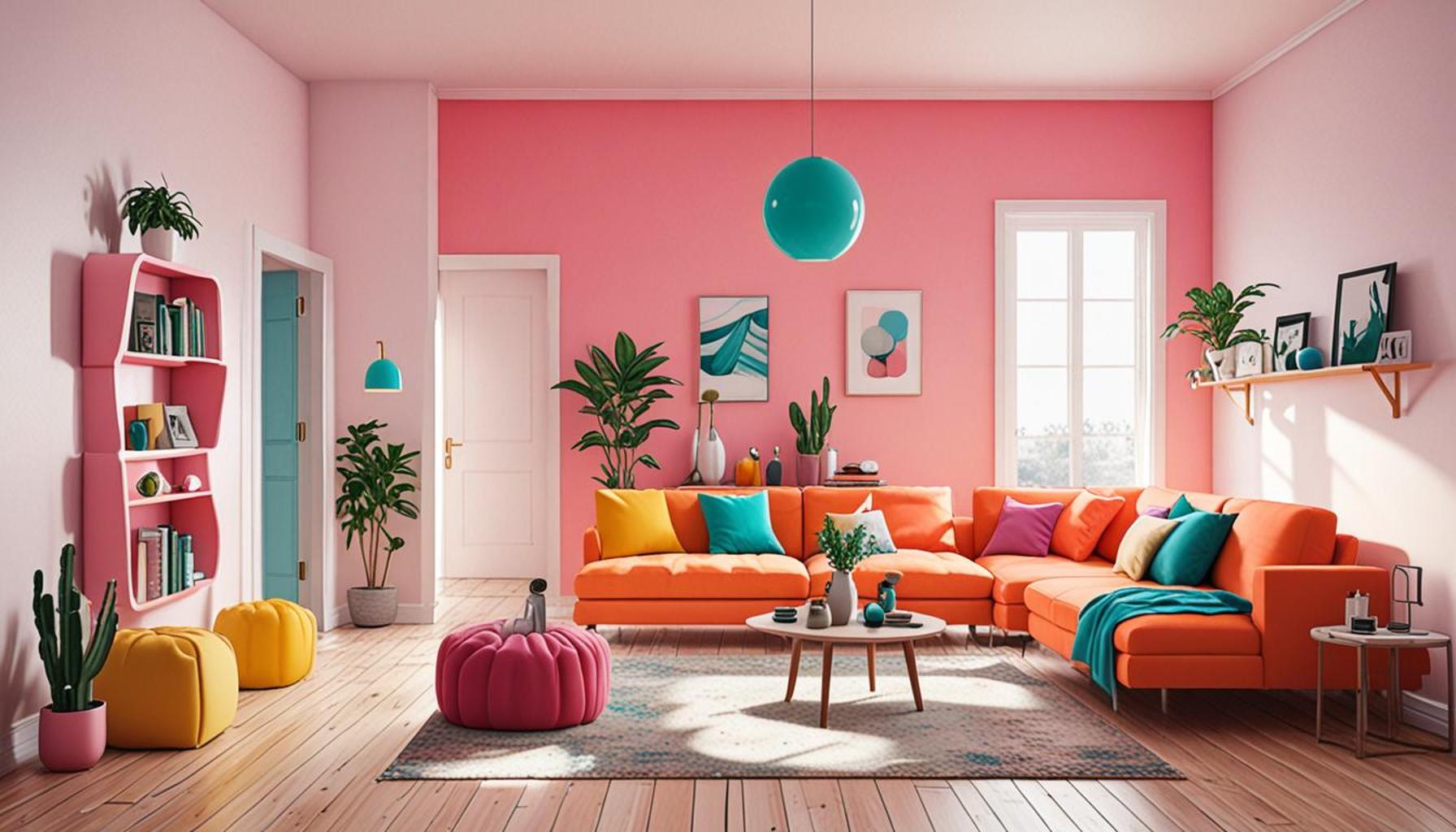
In an era marked by overconsumption and relentless accumulation, the movement towards minimalism emerges as a beacon of clarity and simplicity. The overwhelming clutter in many homes does not only detract from visual appeal but significantly weighs down mental health and productivity. Studies have shown that disorganized environments can increase stress levels and diminish focus. By adopting a conscious consumption mindset, individuals can reshape their living spaces into serene retreats that align with their core values and aspirations.
To embark on the journey towards a minimalist home, consider implementing these fundamental principles:
- Declutter Regularly: Engage in periodic assessments of your belongings, evaluating each item based on its necessity and emotional value. For instance, you might keep a few sentimental items but choose to donate or sell the rest. The practice of seasonal decluttering can make this process manageable and less overwhelming.
- Quality Over Quantity: Shift your focus to investing in fewer, high-quality products that serve multiple purposes. For example, instead of several cheap kitchen gadgets, opt for a versatile multi-functional tool or a durable cast-iron skillet that can last for generations.
- Mindful Buying: Every purchase should be intentional and thoughtful. Prioritize sustainability by choosing products that are ethically sourced or made from environmentally-friendly materials. This approach not only reduces waste but also supports local businesses.
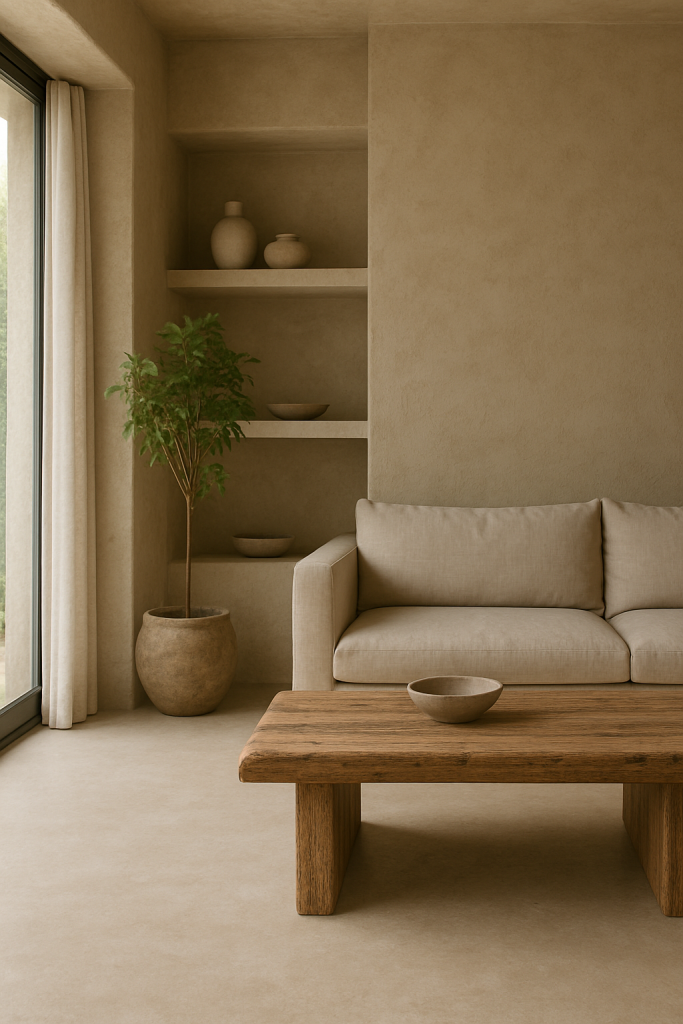
Creating minimalist spaces transcends merely reducing the number of possessions; it is fundamentally about enhancing functionality and cultivating a peaceful aesthetic. A well-thought-out layout, clean lines, and a carefully selected color palette can transform any room into a tranquil haven. For example, using neutral tones in a living area can instill a sense of calm, while strategically choosing furniture that doubles as storage can help maintain an organized space.
As you embark on this minimalist journey, reflect on the broader implications of your choices not just on your immediate environment but also on the planet. The minimalist lifestyle encourages us to reevaluate our relationship with our belongings and promotes a deeper self-awareness. According to research from the American Psychological Association, simplifying our spaces not only enhances our living conditions but can also lead to improved overall well-being.
Ultimately, embracing minimalism can lead to a more fulfilled and intentional life, where your surroundings harmonize with your identity and values. As you consciously curate your space, consider not only the aesthetic improvements but also the mental clarity and peace that a more minimalist approach can offer.
DISCOVER MORE: Click here to maximize your small space
Embracing Functionality in Design
When considering minimalist design, the concept of functionality often takes center stage. It is not just about having fewer items; rather, it is about ensuring that every piece of furniture, decor, and accessory serves a specific purpose in the home. This principle is crucial for creating spaces that promote efficiency and simplicity while still being aesthetically pleasing. A well-designed environment can help streamline daily tasks, minimize distractions, and foster a sense of calm.
One effective approach to enhancing functionality is to utilize multifunctional furniture. In smaller homes or apartments, this is especially paramount. Investing in pieces that can adapt to various uses or settings can maximize your space. For example, a coffee table that doubles as a storage unit can be a practical solution that minimizes clutter while offering versatility. Similarly, a fold-out desk can transform a common area into a productive workspace when needed, making it an essential addition to any minimalist home.
Additionally, organizing your space with built-in solutions can significantly enhance functionality. By integrating smart storage solutions, like under-bed storage containers or ceiling-mounted shelves, you can effectively utilize every inch of your home. This practice not only declutters living areas but also highlights the minimalist ethos of using space wisely. Furthermore, maintaining a designated spot for all items can cultivate a more organized environment, ensuring that everything has a place and reducing time spent searching for misplaced belongings.
- Color Schemes: The choice of color can greatly impact the perceived functionality of a space. Neutral colors, such as whites, grays, and soft earth tones, often make rooms appear more open and spacious, facilitating a tranquil atmosphere conducive to relaxation.
- Natural Light: Maximizing natural light should be a priority in creating functional spaces. Incorporating large windows or strategically placed mirrors can enhance brightness and give the illusion of a more expansive area.
- Open Layouts: An open floor plan can foster improved flow between different areas of the home. This feature encourages better interaction and movement, making everyday activities more streamlined and enjoyable.
Importantly, as you consider these elements of functionality, remember that conscious consumption plays a substantial role in your choices. Opt for items made from sustainable materials and those that are designed to last. By selecting products that reflect your commitment to the environment, you not only support eco-friendly practices but also curate a home that resonates with your values.
Implementing these strategies allows individuals and families to create spaces that are not only minimalist and functional but also reflective of their unique identities. By focusing on the intersection of design and purpose, you empower yourself to transform your home into a sanctuary of intentional living.
As we delve deeper into transforming your home into a space that embodies minimalism and functionality, it’s crucial to consider conscious consumption. This approach not only benefits your immediate environment but also promotes a broader awareness of sustainability. By making mindful choices about what enters your living spaces, you can create a home that is both aesthetically pleasing and purposefully pragmatic.
Start with the essence of decluttering. Evaluate every item in your home based on its utility and emotional significance. Embrace quality over quantity; invest in fewer, high-quality pieces that serve multiple purposes, and thus, reduce the overall clutter. This method aligns perfectly with the principles of minimalism, encouraging you to curate your space thoughtfully.
Another key aspect of conscious consumption is opting for sustainable materials. Whether you’re selecting new furniture, textiles, or decorative elements, look for eco-friendly options that offer longevity. From bamboo products to recycled materials, these choices not only enhance the aesthetic appeal of your home but also contribute to planetary health. You might be surprised by how many stylish alternatives exist that do not compromise on design.
When considering renovations, focus on functional layouts that enhance livability. Spaces that prioritize open layouts can create an inviting atmosphere while allowing for seamless transitions between areas. This design principle not only maximizes the use of your space but also encourages a more minimalistic lifestyle by eliminating unnecessary barriers.
Finally, remember that conscious consumption extends to the everyday choices you make regarding household goods. From cleaning supplies to food packaging, look for brands that prioritize sustainability and less waste. When shopping, create a strategy to avoid impulse buys and consider the long-term impact of your purchases on both your home and the environment. By implementing these tips into your lifestyle, you can truly transform your home into a minimalist and functional sanctuary.
| Category | Description |
|---|---|
| Decluttering | Reduce clutter by evaluating the usefulness of items. |
| Sustainable Materials | Choose eco-friendly, durable products that enhance design. |
| Functional Layouts | Open layouts that maximize space and livability. |
| Thoughtful Purchasing | Make long-term choices regarding household items. |
DISCOVER MORE: Click here for insights on minimalist designs
Curating Intentional Decor
While functionality plays a crucial role in minimalist design, curating intentional decor is essential in transforming a space into a home. This involves making careful choices about the decorative items you incorporate, ensuring they not only enhance the aesthetic but also align with your values and lifestyle. Emphasizing quality over quantity can help maintain a clutter-free environment, reinforcing the principles of conscious consumption.
A compelling approach to intentional decor is to focus on artisanal and locally sourced items. By supporting artisans in your community, you not only acquire unique pieces that add character to your home but also contribute to the local economy. One example could be handmade pottery or custom furniture crafted from reclaimed wood. These choices reflect a deeper appreciation for craftsmanship and can instill a sense of warmth and authenticity in your spaces.
Another integral aspect of intentional decor is thoughtful minimalism. Rather than filling spaces with decor for the sake of color or design, select a few carefully curated pieces that resonate with you personally. This could be a stunning wall art piece that tells a story, a family heirloom that evokes memories, or nature-inspired elements such as plants or terrariums that bring life and vibrancy. Each item should evoke emotional significance, softly reminding occupants of their experiences and aspirations.
- Layered Textures: Minimalism does not mean sacrificing comfort. Incorporate various textures through textiles like rugs, throws, and cushions to add depth to your space, creating a cozy atmosphere while maintaining a clean design.
- Natural Elements: Bringing the outdoors in is a popular design trend that not only enhances decor but also improves overall well-being. Plants purify the air and add a sense of tranquility, while natural materials like stone, wood, and metal emphasize a connection to nature.
- Seasonal Updates: Consider shifting your decor seasonally. This practice encourages conscious consumption by reducing the need for year-round decor and allows you to enjoy fresh aesthetics without acquiring new items constantly. A few seasonal accents can create a refreshed ambiance and showcase a deeper understanding of the changing environment.
In addition to curating decor, consider the importance of lighting in achieving aesthetically pleasing spaces. The right lighting can set a mood, enhance functionality, and make areas feel more inviting. Experiment with adjustable lighting fixtures and layers; combine ambient lighting with task and accent lighting. For example, dimmable overhead lights paired with strategically placed floor lamps can create versatile atmospheres suited for work, relaxation, or entertainment.
Furthermore, the principle of eco-friendly practices can also be interwoven into decor choices. Opt for fixtures made from sustainable materials, energy-efficient bulbs, and even wallpaper made from recycled materials. Adopting these practices not only supports environmental sustainability but often leads to discovering stunning designs that elevate your minimalistic style.
By approaching decor with intention and consciousness, you can heighten the ethos of minimalist living. Each choice should ideally reflect your path toward simplified living, allowing you to embrace the beauty of a well-curated home while also maintaining functional and meaningful spaces. As you transform your home, remember that it’s about creating an environment that feels personalized and promotes a sustainable lifestyle, merging form and function harmoniously.
DISCOVER MORE: Click here to transform your shopping habits
Conclusion
In conclusion, transforming your home into a minimalist and functional space requires a thoughtful approach to consumption and design. By prioritizing quality and intentionality in your choices, you can cultivate an environment that not only looks aesthetically pleasing but also promotes well-being and sustainability. From selecting artisanal decor that tells a story to incorporating natural elements that enhance tranquility, every detail in your home should resonate with your personal values and lifestyle.
It’s essential to see your living space as a reflection of who you are, achieved through conscious consumption and prudent decision-making. Implementing seasonal decor changes allows for a dynamic atmosphere while eliminating the temptation to accumulate unnecessary items. Moreover, fostering a strong connection with your surroundings can be facilitated through thoughtful minimalism, encouraging deeper appreciation for the few items you do choose to display.
Lastly, by embracing eco-friendly practices and focused lighting strategies, you can create inviting and purposeful atmospheres that enhance each moment spent in your home. Remember, the journey toward a minimalist living space is not solely about reducing clutter; it’s about maximizing functional beauty and creating a sanctuary that aligns with your ecological conscience. As you consider these tips, take the opportunity to dive deeper into creating a home reflective of conscious values and mindful aesthetics, paving the way for a fulfilling life within your uniquely designed space.