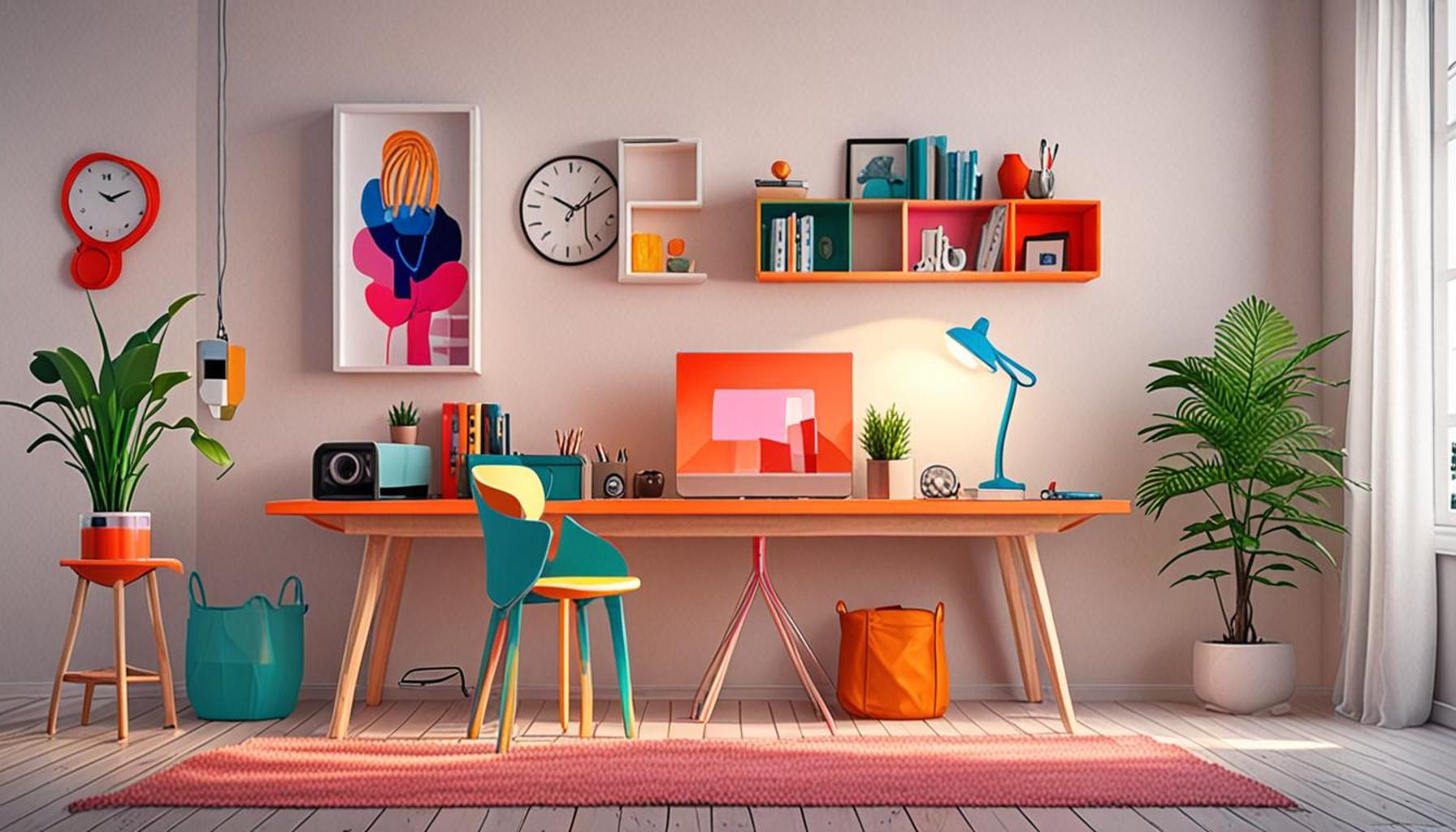
Minimalism and Sustainability: Space Optimization Strategies to Reduce Waste at Home

Understanding Minimalism and Sustainability
As environmental concerns escalate, the concepts of minimalism and sustainability are becoming increasingly relevant in our everyday lives. Many individuals are turning to these philosophies not just as lifestyle choices, but as practical solutions for waste reduction at home. With the rise of awareness regarding climate change and environmental degradation, adopting these strategies has become more critical than ever. By embracing minimalism and sustainability, we can create a harmonious balance between our living spaces and the planet.
Understanding the interplay between minimalism and sustainability can lead to transformative changes in our habits. For instance, a minimalist approach encourages individuals to reduce their consumption to what is truly essential, which in turn results in a reduced ecological footprint. Less shopping leads to fewer natural resources being extracted, and subsequently, less waste is generated. This circular thinking highlights how our everyday choices have a direct connection to environmental health.
Consider the following benefits of minimalism and sustainability:
- Reduced environmental impact: Adopting a minimalist lifestyle leads to significant decreases in consumption, leading to less resource extraction and waste generation. A simple example can be seen in the switch from single-use plastics to reusable containers.
- Financial savings: Investing in fewer, high-quality items can save money in the long run. For example, purchasing a durable, high-end pair of shoes may seem more expensive initially, but it can prevent the need for frequent replacements.
- Enhanced mental clarity: A decluttered space fosters a clearer mind, promoting greater focus on what truly matters in our lives. Many individuals report increased productivity and reduced anxiety when their environments are less chaotic.
Implementing space optimization strategies can be both rewarding and transformative. By evaluating the necessity of personal belongings and leaning towards sustainable alternatives, individuals can:
- Embrace multifunctional furniture to maximize limited space. For example, a bed frame with built-in drawers can declutter a bedroom while providing extra storage.
- Utilize vertical storage solutions to enhance organization. This could involve installing shelves or hooks to keep floors clear and make rooms feel more spacious.
- Employ minimalist principles in purchasing decisions by focusing on quality over quantity, such as favoring timeless clothing pieces over fast fashion items.
By incorporating these strategies into daily routines, we can collectively work towards a more sustainable future. The journey toward minimalism and sustainability invites us not only to rethink our consumption patterns but also to consider their broader implications for the environment. In the following sections, we will delve deeper into practical strategies to help you embrace minimalism while promoting sustainability at home. Join us on this journey toward creating a more conscious and eco-friendly living environment that benefits both people and the planet.
DISCOVER MORE: Click here to learn how to simplify your life
Practical Space Optimization Strategies
As we strive to adopt minimalism and sustainability, employing effective space optimization strategies becomes essential in transforming our living environments into greener, more efficient spaces. These strategies are practical approaches that not only help declutter our homes but also enable us to make conscious decisions about our possessions and their impact on the planet.
One of the most striking aspects of embracing minimalism is recognizing the profound relationship between what we own and the resources that are consumed to produce those items. For instance, a recent study revealed that the average American household possesses over 300,000 items, a staggering statistic that highlights the overconsumption prevalent in today’s society. This accumulation of possessions often results in increased waste and environmental degradation. By implementing strategic approaches to optimize our space, we can counteract this trend and promote sustainability.
Here are some innovative space optimization strategies to consider:
- Decluttering Sessions: Regularly schedule decluttering sessions to assess the necessity of your belongings. Begin with one room or area at a time and decide what to keep, donate, or recycle. This method not only frees up space but also encourages mindfulness in your purchasing habits.
- Adopting a ‘One In, One Out’ Rule: This rule requires that for every new item brought into your home, an existing item must be discarded or donated. This practice minimizes clutter while fostering a conscious approach to consumption.
- Utilizing Hidden Spaces: Often, the potential for space optimization lies in overlooked areas such as under the bed, behind doors, or in the attic. Clever storage solutions like under-bed boxes and wall-mounted racks can turn unused spaces into functional storage areas, helping to reduce visual clutter.
- Creating a Minimalist Corner: Designate a specific area in your home dedicated to minimalism. This space can serve as a reminder of your commitment to encourage sustainability and organization, showcasing essentials in a visually pleasing manner.
Emphasizing the importance of quality over quantity is a fundamental principle of both minimalism and sustainability. Consider investing in durable, eco-friendly products that stand the test of time rather than accumulating short-lived items that contribute to unnecessary waste. For example, opting for a classic wooden dining table instead of cheaper, disposable alternatives not only creates a timeless aesthetic but also reduces the frequency of replacements and disposals.
As you implement these space optimization strategies in your home, it’s essential to consider the broader implications of your choices. By consciously curating your environment, you can actively contribute to a healthier planet while finding peace and clarity in a more minimalist lifestyle. In the next section, we will explore additional methods to refine these practices, focusing on how to integrate more sustainable habits into your daily routine.
| Category | Details |
|---|---|
| Space Optimization | Implementing multifunctional furniture is a prime strategy. Such furniture maximizes utility while minimizing footprint. |
| Waste Reduction | Adopting a zero-waste lifestyle can significantly cut down on household trash; using reusable containers for storage can be transformative. |
Incorporating these elements into your living space is not just about aesthetics; it fundamentally changes the way we interact with our possessions and the environment. By choosing compact designs and innovative storage solutions, you can create an efficient home that requires fewer resources to maintain. Methods like decluttering and arranging items strategically can eliminate excess and facilitate easier access to everyday essentials.Moreover, integrating sustainable practices such as composting and energy-efficient appliances into your home routine reflects a commitment to the environment while enhancing your space. Minimalism is about prioritizing what truly matters, promoting not just a sustainable lifestyle, but also a more mindful way of living. This approach not only conserves spaces but also fosters a deeper appreciation for the items we choose to keep.
DISCOVER MORE: Click here to learn how to optimize your space
Embracing Eco-Friendly Practices
In addition to optimizing physical space, embracing eco-friendly practices can significantly enhance the sustainability of your home while complementing your minimalist lifestyle. These practices not only streamline your living space but also align with conscious consumption, ultimately fostering a more sustainable approach to daily life.
Integrating waste-reduction strategies into your routine can create a ripple effect, influencing both personal habits and broader societal trends. For example, did you know that the average American household generates around 4.4 pounds of waste each day? By embedding minimalism into waste management, such practices can dramatically reduce that figure. Here are some eco-friendly practices to consider:
- Composting Organic Waste: Instead of discarding food scraps and yard waste, start composting. This practice reduces landfill contributions and produces nutrient-rich soil. A composting system can easily be set up in a corner of your yard or even indoors using a compact compost bin, promoting sustainability while maximizing your gardening potential.
- Switching to Reusable Items: Replace single-use items, such as plastic bags and disposable plates, with reusable alternatives like cloth bags and glass containers. This not only cuts down on waste but also embodies a minimalist ethos by investing in high-quality, timeless products that serve multiple purposes.
- Digital Decluttering: Minimalism isn’t confined to physical objects. Take the opportunity to declutter your digital space by organizing files, unsubscribing from unwanted emails, and reducing storage needs. Digital clutter can be overwhelming and consume mental space, hindering productivity.
- Buying Second-Hand: Thrift stores, garage sales, and online marketplaces offer a treasure trove of quality second-hand items at reduced prices. This practice not only minimizes waste but helps extend the lifecycle of products, aligning perfectly with both minimalism and sustainability ideals.
Furthermore, energy conservation is a critical aspect often overlooked in the drive for minimalism and sustainability. Adopting energy-efficient appliances and solutions can result in substantial long-term savings while reducing your carbon footprint. According to the U.S. Department of Energy, the typical household spends over $2,000 annually on energy bills. By switching to LED lighting, installing smart thermostats, and utilizing energy-efficient appliances, you can minimize energy consumption significantly.
Incorporating self-sufficiency practices into your daily life is another effective way to deepen your commitment to sustainability. This might include creating a small herb garden on your windowsill or taking part in local community gardening initiatives. Such actions not only provide fresh produce but also contribute to community resilience, all while bringing practical benefits to your home.
As we explore these eco-friendly practices further, consider how they align with your lifestyle and values. Each small change can lead to significant impacts, promoting both a minimalist and sustainable living environment. By consciously engaging in these actions, you can contribute to a culture of sustainability while crafting a home that reflects your priorities and respect for the planet.
DIVE DEEPER: Click here to discover how minimalism can enhance your time management
Reflecting on a Sustainable Future
As we conclude our exploration of minimalism and sustainability, it becomes clear that incorporating space optimization strategies in our homes is fundamental for reducing waste and fostering an eco-conscious lifestyle. By actively engaging in practices such as composting, utilizing reusable items, and embracing second-hand shopping, we not only declutter our living spaces but also contribute to a more sustainable future.
Adopting an outlook that emphasizes energy conservation and self-sufficiency can yield significant environmental benefits and economic savings. The average household’s annual energy expenditure of over $2,000 presents a strong case for investing in energy-efficient solutions, which serve to enhance long-term sustainability while cutting costs. By being mindful of our consumption patterns, we can change the narrative surrounding excess and waste, supporting a shift toward more responsible living.
Ultimately, the journey toward minimalism and sustainability is a personal one, requiring intentional choices and a commitment to improvement. The strategies discussed offer practical and actionable steps that empower individuals to reshape their homes and lifestyles to reflect a harmony with the environment. In doing so, we become part of a larger movement that prioritizes conservation and mindfulness, leading to a flourishing planet for future generations.
By embracing the principles of minimalism, we can effectively optimize our living spaces, reduce waste, and nurture a culture of sustainability that resonates well beyond our homes. Your journey starts now; take the first step and witness the transformation, both in your environment and within yourself.