Maximize Small Spaces Minimalist Urban Living Organization Tips
Introduction
As more people gravitate towards urban centers, the issue of diminishing living space becomes increasingly pressing. With apartments and homes becoming smaller, the art of maximizing these confined spaces has gained significant importance. At the heart of this endeavor is embracing a minimalist lifestyle, which not only optimizes living areas but also fosters a sense of peace and mental clarity. This lifestyle choice is far from simply an aesthetic shift; it requires strategic decision-making that enhances both functionality and personal well-being.
One of the core tenets of successfully adopting minimalism is mastering the principles of personal organization. The clutter-free environments achieved through minimalism do more than just free up physical space—they can also lead to profound psychological benefits, reducing stress and enhancing focus. By systematically working towards a less cluttered and more streamlined existence, individuals can cultivate a living space that invites both creativity and tranquility.
Unlocking Potential with Minimalism
In this article, we will delve into the Top 5 tips for organizing small spaces with a minimalist mindset. These strategies are designed to help you navigate the challenges associated with confined living conditions while maximizing both form and function in your home. Through the use of innovative storage solutions, like multi-functional furniture, and a disciplined approach to possessions, one can effectively transform even the smallest of places into a picturesque retreat.
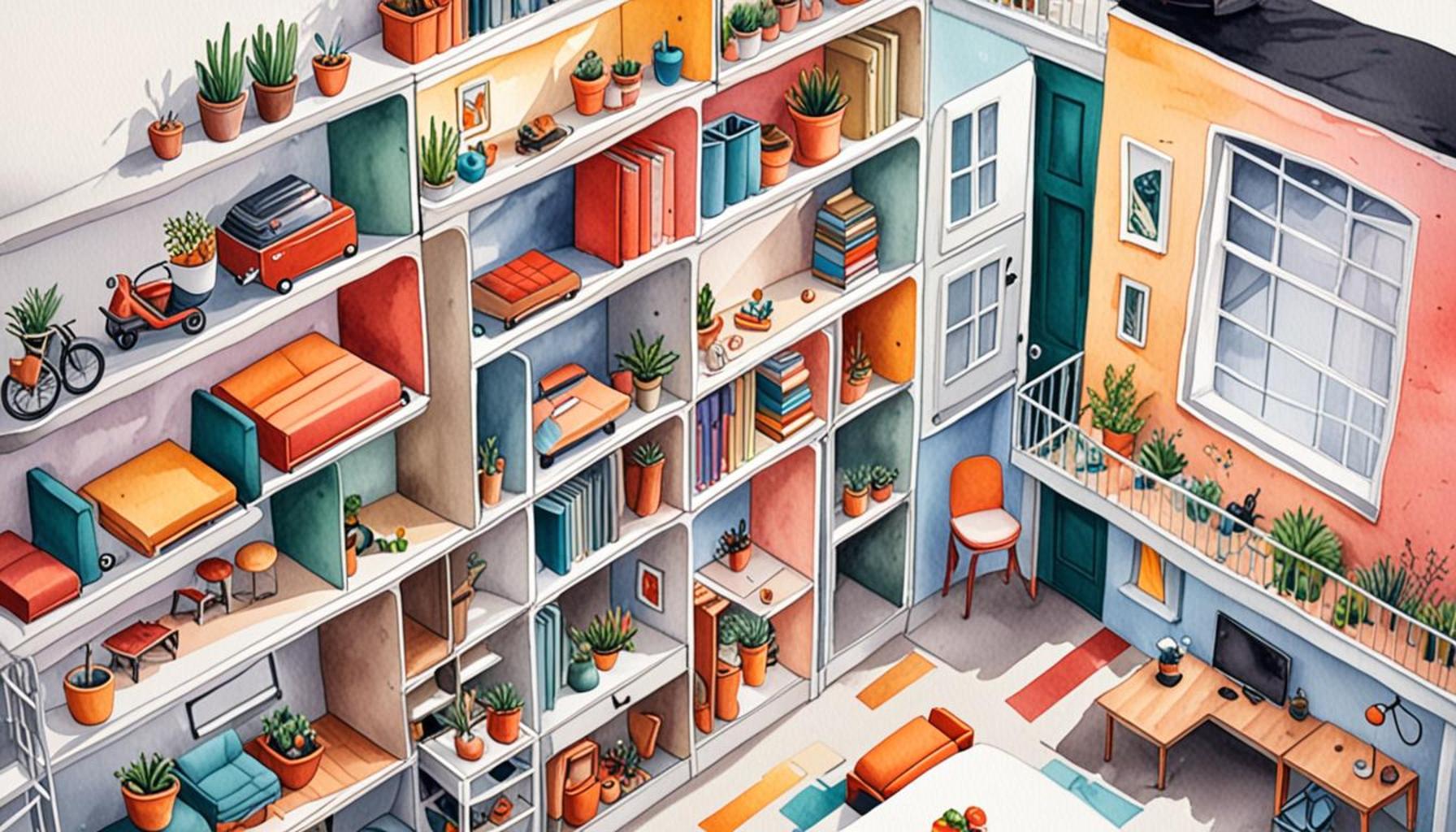
For instance, consider how vertical storage solutions can liberate floor space that is often taken for granted. Employing tall shelving or hanging storage not only frees up ground areas but also adds an interesting visual dynamic to a room. Additionally, furniture with built-in storage offers dual functionality, allowing spaces to remain tidy without sacrificing utility. These innovative approaches grant more room for socializing, working, and relaxing, thereby enhancing the overall living experience.
Should you find yourself eager to explore these and other strategies in detail, rest assured, this guide will equip you with the knowledge to transform your urban habitat into a haven of simplicity and serenity. Discover how a minimalist approach can redefine the boundaries of your space, enriching both your physical environment and mental state.
Top 5 Tips for Maximizing Small Spaces: Minimalist Organization for Urban Environments
Urban life, with its endless possibilities and dynamic energy, frequently comes with one significant downside: limited living space. In bustling cities across the globe, compact living spaces are a reality many must embrace, whether it’s a snug studio apartment or a shared two-bedroom flat. The answer to thriving in such environments lies in intelligent organization and adopting principles of minimalism, which promote simplicity, multifunctionality, and aesthetic appeal. This article explores the top five tips for maximizing small spaces through effective minimalist organization, providing practical solutions to transform cramped quarters into harmonious and efficient environments.
5. Embrace Multi-Functional Furniture
In the realm of limited space, furniture must serve not merely as decor but as a multi-dimensional solution. Embracing multi-functional furniture is about making smart choices that reduce clutter and enhance usability without compromising style. The idea is to fully utilize every piece:
- Sofa beds: Transform your living room into a guest bedroom without losing comfort or style. It’s a must for homes where hosting guests is part of the lifestyle.
- Ottomans with storage: They offer a discreet storage option for items like blankets and magazines while providing additional seating space. They enhance versatility and aesthetics without adding clutter.
- Foldable tables and chairs: Perfect for those who occasionally require extra dining or working space. These can be easily stored when not in use, allowing for flexibility in your space layout.
Investing in multi-functional pieces transforms how you interact with your environment. By doing so, you ensure that every furniture piece contributes more than its primary role, optimizing space use without sacrificing style.
4. Use Vertical Space Effectively
In cramped quarters, it’s easy to overlook the potential above your head. Effectively utilizing vertical space is key to expanding your room’s storage capability without occupying valuable floor space. Let’s explore some strategies:
- Install shelving units that reach for the ceiling to accommodate everything from books and decorations to kitchen utensils.
- Wall hooks are invaluable for hanging coats, bags, hats, or umbrellas right by the door, saving you the hassle of cluttered floor areas.
- Opt for tall bookcases or cabinets that naturally draw the eye upward, creating an illusion of taller ceilings and a roomier atmosphere.
By using your walls strategically, you not only reclaim floor space but also introduce storage solutions that blend seamlessly into daily life, all while maintaining ease of access.
3. Prioritize Decluttering
An effective organization begins with a commitment to decluttering. Eliminating unnecessary items is foundational to adopting a minimalist lifestyle. Here’s how you can start:
- Schedule regular decluttering sessions: Allocate specific times to purge different parts of your home annually or quarterly.
- Be honest with necessity: Evaluate each item’s usefulness and the joy it brings to you, a principle popularized by Marie Kondo.
- Adopt the one-in, one-out rule: For every new possession, remove one existing item to prevent accumulation.
Decluttering not only clears physical space but can also enhance mental clarity, enabling you to manage a minimalist lifestyle that promotes growth rather than clutter.
2. Use Transparent Storage Solutions
Traditional storage options can lead to overlooked spaces filled with chaos. Transparent storage solutions eliminate this issue by offering visibility and access. Consider these methods:
- Clear plastic bins in closets empower you to identify contents quickly, reducing disorder.
- Use transparent drawer organizers for smaller essentials like kitchen utensils, beauty products, and crafting supplies, thus preventing neglect and disarray.
- Utilize glass jars and containers in the pantry or kitchen to keep food visibly fresh.
Clear storage solutions allow you to recognize and assess space use at a glance, promoting simplicity and accountability in organizing.
1. Create Zones in Your Space
The crowning tip is to create defined zones within your limited quarters, enhancing the utility of every square foot. Designing multiple functional areas offers structured use of space:
- Divide with rugs and curtains: These can subtly separate a living room from a dining area or workspace, visually maximizing space.
- Strategically place furniture to guide traffic flow, ensuring movement throughout your home feels natural and unimpeded.
- Establish areas solely for work, relaxation, and dining, ensuring distinct purposes without overlap and confusion.
Zones in your living quarters not only help with organization but also enhance your enjoyment of different activities without the overwhelm of blending functions.
By implementing these tips, your small, urban sanctuary can transform into a meticulously organized and soothing space. Adopting minimalism allows for a balanced lifestyle, fostering lower stress levels and a greater sense of peace amid the bustling cityscape. It’s about cherishing the art of simple living and making deliberate, thoughtful choices regarding your environment and belongings, ultimately leading to enhanced contentment and efficiency.
The minimalist movement is not just a fleeting trend; it represents a deliberate shift in how we approach our living spaces, especially in the growing urban landscape where square footage tends to come at a premium. Urban dwellers often find themselves wrestling with the constraints of small living spaces, where every square inch counts. Here, we delve into effective tips and strategies that can turn cramped quarters into organized, functional, and aesthetically pleasing environments.To begin, multi-functional furniture is a game-changer in small spaces. Consider pieces that serve multiple purposes such as a coffee table that doubles as storage or a bed with drawers underneath. These versatile items maximize utility without compelling you to sacrifice style. Furthermore, the smart use of vertical space cannot be overstated. Installing tall shelves or wall-mounted storage not only draws the eye upward, giving the illusion of higher ceilings but also frees up precious floor space, which is invaluable in urban apartments.Lighting is another crucial aspect of minimalist design that can dramatically affect your perception of space. Utilizing natural light through sheer curtains and strategically placed mirrors can make a room feel larger and more inviting. This is particularly important in cities where buildings may obstruct sunlight. Additionally, adequate lighting can highlight your decorative elements, so choose fixtures that complement your overall minimalist aesthetic while enhancing functionality.Indeed, when it comes to decluttering, the mantra “less is more” rings true. A key principle of minimalism is to keep only those items that serve a purpose or bring joy. Conduct a thorough evaluation of your belongings and consider donating or selling items that no longer add value to your life. This intentional approach not only creates a more serene environment but also a sense of freedom from material burden.Next, the colors you choose can have a profound effect on the perception of space. Light and neutral colors create an airy feel, making rooms appear larger, while darker shades can often make a room feel enveloping and intimate. Combine these hues with varying textures to add depth without overwhelming the senses. Incorporating houseplants can also enhance the atmosphere and bring a touch of nature indoors, contributing to both aesthetics and air quality.Another aspect to explore is the concept of “zoning” within a small area. By defining different areas for various activities, such as sleeping, working, or relaxing, you create an organized flow that can increase productivity and promote a sense of peace. Use rugs or lighting to delineate these spaces, making it easy to transition from one zone to another.Finally, adaptability is key in small urban environments. Embrace the idea of change, routinely reassessing your space and its functionality. As needs and routines evolve, so should your approach to organization and design. With a thoughtful mindset, urban living can become a beautiful balance of comfort, utility, and style, all while adhering to the principles of minimalism. Each of these strategies not only serves to maximize small spaces but also fosters a lifestyle centered on simplicity and intentionality, vital components of modern urban living. Embracing these tips can lead to a harmonious balance between style and functionality, ensuring your small space thrives amidst the bustling concrete jungle.
Frequently Asked Questions about Maximizing Small Spaces
How can minimalism help in organizing small urban spaces?
Minimalism can significantly aid in organizing small urban spaces by promoting a focus on essential items and eliminating clutter. By reducing possessions to only what is necessary or emotionally meaningful, individuals can create more open and functional areas. This not only maximizes space usage but also creates a visually appealing environment that feels more expansive and less congested.
What are some practical tips for organizing a small apartment?
To organize a small apartment, consider using multi-functional furniture such as a sofa bed or a table that can double as a desk. Utilize vertical space by installing shelves or hooks on walls to keep floors clear. It’s also beneficial to use storage solutions like baskets or boxes that fit under beds or inside closets, keeping items out of sight yet easily accessible. Lastly, regularly evaluating belongings to remove what’s no longer needed can prevent space from becoming overcrowded.
Are there specific design strategies that work best for maximizing space in urban homes?
Yes, incorporating smart design strategies can greatly enhance the functionality of urban homes. Opt for lighter color palettes to create an illusion of space and include mirrors to reflect light and add depth. Choosing furniture with open legs can also maintain a sense of openness. Additionally, integrating sliding doors rather than hinged ones can save significant space, making rooms feel bigger and more accessible.
How can I maintain a minimalist lifestyle in a busy urban environment?
Maintaining a minimalist lifestyle in an urban setting involves being intentional with purchases and regularly curating possessions. Set clear priorities about what is truly necessary and practice mindful shopping. Stay organized by maintaining routines that keep spaces tidy and clutter-free. Engaging with local community resources like shared libraries or rental services can also reduce the need to own every item individually, supporting a minimalist lifestyle.
Conclusion
In urban settings where space is a premium, the principles of minimalism and efficient personal organization become not just beneficial but essential. Throughout this article, we have explored a variety of strategies to maximize small spaces by adopting a minimalist approach. The key takeaways center around the judicious use of space, the benefits of decluttering, and the importance of multifunctionality in furniture and design.
Main Points
- Decluttering: Begin by evaluating what is truly necessary and eliminating excess items. This not only frees up physical space but also has a significant positive impact on mental well-being.
- Multifunctional Furniture: Investing in items that serve multiple purposes can profoundly alter the usability of a small space, making it adaptable and versatile.
- Vertical Storage: Utilizing vertical space effectively can dramatically increase storage options without infringing on floor space.
- Color and Light: adopting light color palettes and optimizing natural light creates an illusion of spaciousness, enhancing the overall ambiance.
- Smart Organization: Implementing organizational tools and techniques ensures that every item has a designated place, thereby reducing clutter and streamlining daily routines.
By embracing these principles, individuals can build a harmonious living environment that aligns with the core tenets of minimalism. This approach not only nurtures a tidy and aesthetically pleasing home but also promotes tranquility and focus, allowing residents to thrive in any urban setting. As we continue to navigate the complexities of urban living, the minimalism and organization of small spaces warrant further exploration. Such endeavors empower city dwellers to transform their limited confines into areas of comfort, utility, and inspiration.