Functional Organization: How Item Minimization Can Improve Space Efficiency

The Importance of Space Efficiency
In today’s fast-paced world, space efficiency is more crucial than ever. Whether in our homes, offices, or public spaces, maximizing available space while minimizing clutter can lead to enhanced productivity and well-being. As urban living becomes increasingly prevalent, the need for functional organization rises alongside it. Cities like New York and San Francisco are prime examples, where limited living spaces necessitate creative solutions to ensure comfort and usefulness.
Item minimization plays a significant role in achieving this goal. By strategically reducing the number of items we possess, we can:
- Enhance organization and accessibility: Fewer items mean it’s easier to locate what you need quickly, reducing the time spent searching.
- Improve visual aesthetics: A decluttered environment allows for a more open and inviting appearance, contributing to a sense of tranquility.
- Facilitate better cleaning and maintenance: With less to manage, keeping spaces clean—and maintaining hygiene—is significantly simplified.
- Increase safety by reducing hazards: An organized space is less prone to accidents, as pathways and exits remain clear.
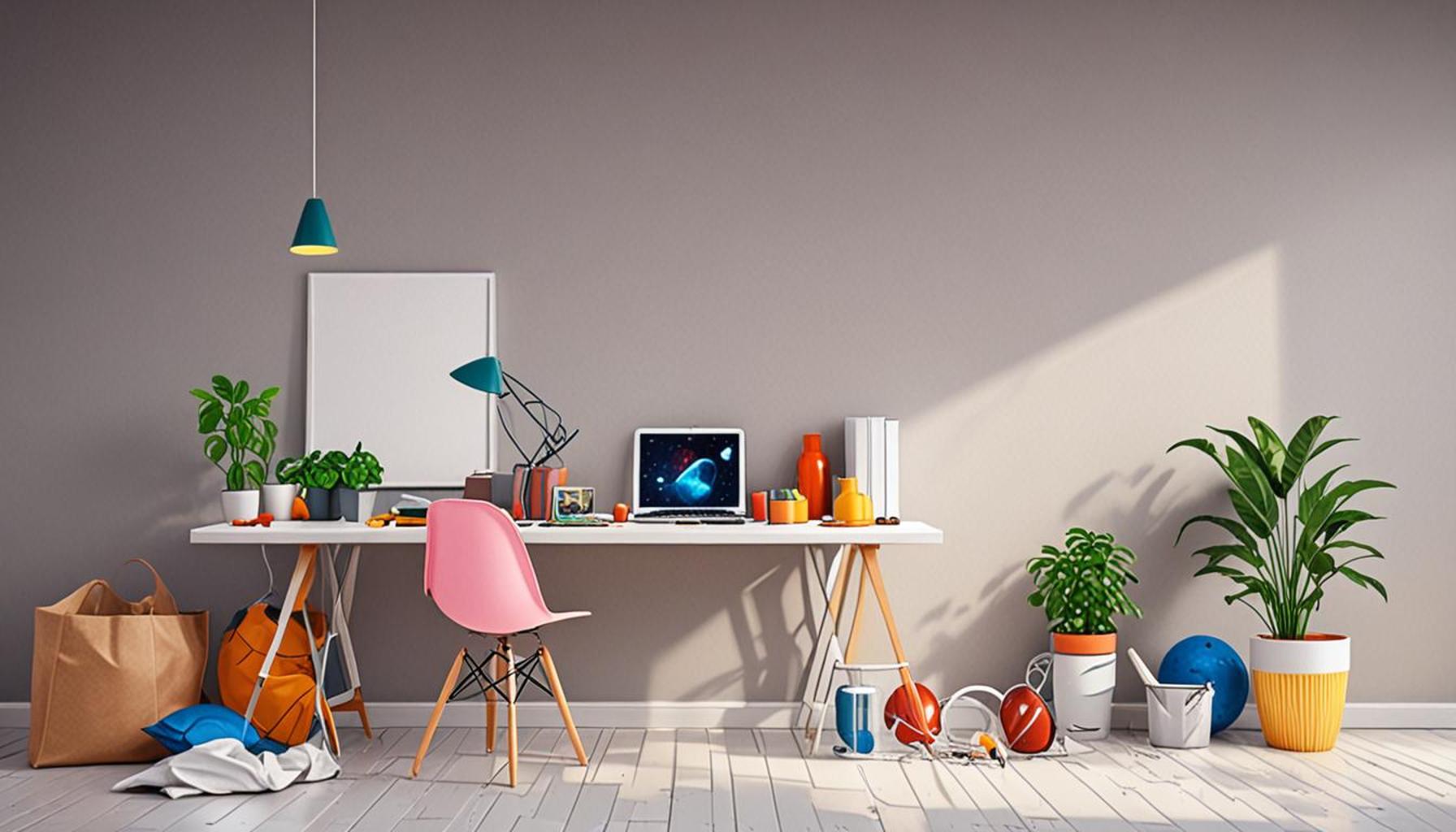
Consider how a minimalist approach to furniture and decor can transform a cramped office into a more functional workspace. For instance, opting for multi-purpose furniture, such as a sofa bed or a coffee table with storage compartments, can not only save room but also cater to various needs. This kind of furniture is especially useful in smaller apartments or homes, allowing for the functionality of a living space alongside areas for work or study.
Furthermore, effective item organization can significantly reduce stress levels. When everything has a designated spot, not only is it easier to find essential items quickly, but it fosters a sense of control and safety that can enhance overall well-being. For example, a well-organized kitchen—where pots, utensils, and appliances are stored within easy reach—encourages cooking and improves the culinary experience for families and individuals alike.
From residential areas in bustling cities to commercial spaces in suburban landscapes, the principles of functional organization can bring about substantial benefits. As we delve deeper into these strategies, it’s apparent they can revolutionize your space management, transforming chaos into calm, all while promoting more efficient use of your surroundings. In an era where time is of the essence, creating an environment that supports both productivity and peace is not just beneficial—it’s essential.
DIVE DEEPER: Click here to discover effective daily planning strategies
Unlocking Space Efficiency Through Minimization
As urban spaces continue to shrink and lifestyles become increasingly hectic, the challenge of managing our possessions grows more complex. Functional organization is integral to reclaiming space and ensuring that every square foot serves a purpose. One of the pivotal strategies in this endeavor is item minimization, which refers to the intentional reduction of belongings to enhance both function and efficiency. So, how exactly can item minimization contribute to a more organized and effective space?
First and foremost, item minimization paves the way for improved organization. By eliminating excess items, you can create a logical layout that promotes ease of access. Consider your closet: a well-curated wardrobe not only simplifies dressing decisions but also saves valuable time every morning. Instead of wading through an overwhelming sea of clothes, you can swiftly choose an outfit from a selection that truly reflects your style and needs.
Moreover, the process of decluttering can lead to greater psychological benefits. Numerous studies suggest that living in a clutter-free environment can reduce stress and anxiety levels. A clean, organized space allows the mind to focus on what truly matters, creating a sense of calm that can contribute to overall mental well-being. Implementing item minimization techniques—such as the one-in-one-out rule, where you let go of an item every time you acquire something new—can help maintain this peaceful environment.
The aesthetic appeal of a minimalist space cannot be underestimated either. A well-organized area, stripped of unnecessary items, creates a visually serene backdrop that can enhance any environment. Whether it’s your living room, office, or dining area, the introduction of minimalist design principles often results in a more inviting and open space. This is particularly relevant in the United States, where design trends are increasingly gravitating toward simplicity and functionality. According to a report from the American Institute of Architects, contemporary designs that emphasize open spaces with minimal furnishings are soaring in popularity.
To successfully implement item minimization, here are several practical strategies to consider:
- Assess and categorize: Start by evaluating your belongings, breaking them down into categories—keep, donate, and discard.
- Use storage solutions: Invest in versatile storage options that blend with your décor while maximizing available space.
- Practice mindful shopping: Before purchasing anything new, ask yourself if it adds value to your life or if it simply takes up space.
- Establish a regular decluttering schedule: Set aside time monthly or seasonally to review your belongings and make necessary adjustments.
The benefits of item minimization extend beyond the physical realm. As we delve deeper into the principles of functional organization, we will uncover how structured approaches to decluttering can not only transform your home or office but also empower you to optimize your mental and emotional spaces. The journey toward a more efficient and aesthetically pleasing environment begins with the conscious decision to minimize and organize.
| Category | Description |
|---|---|
| Visual Clarity | Implementing item minimization creates a cleaner, more organized environment. This enhances productivity by reducing visual clutter. |
| Increased Mobility | Fewer items in a space lead to greater ease of movement. This not only improves comfort but also efficiency during tasks. |
| Enhanced Functionality | Minimizing items allows for more effective use of available resources and space, ensuring everything has its place and function. |
| Reduced Stress | An organized space decreases distractions, leading to lower stress levels and increased focus on tasks at hand. |
When it comes to enhancing workplace efficiency, the concept of item minimization plays a crucial role. By reducing the number of items in a cluttered environment, individuals can find vital tools or documents faster, streamline daily tasks, and ultimately create an impact on overall productivity. This reduction in clutter not only opens up physical space but also promotes a sense of mental clarity.Moreover, adopting a minimalistic approach leads to better design opportunities in both residential and commercial layouts, allowing for smarter storage solutions. With everything in its rightful place, accessing frequently used items becomes intuitive, leading to increased workflow.In the realm of interior design, minimalism has become synonymous with sustainability, encouraging the use of multifunctional furniture and products that align with the principles of efficiency and simplicity. This trend not only conserves physical space but also embraces eco-conscious choices. Understanding these advantages reveals a deeper appreciation for how functional organization and deliberate item minimization can significantly improve space efficiency in various aspects of life.
DISCOVER MORE: Click here to learn about mindful consumption
Embracing Functional Organization Through Strategic Item Minimization
In exploring the correlation between item minimization and space efficiency, it’s crucial to highlight how pragmatic decision-making regarding possessions can transform our living and working environments. One of the most compelling factors is the role of functionality in maximizing space. By embracing a functional organization mindset, individuals can not only simplify their surroundings but also enhance utility.
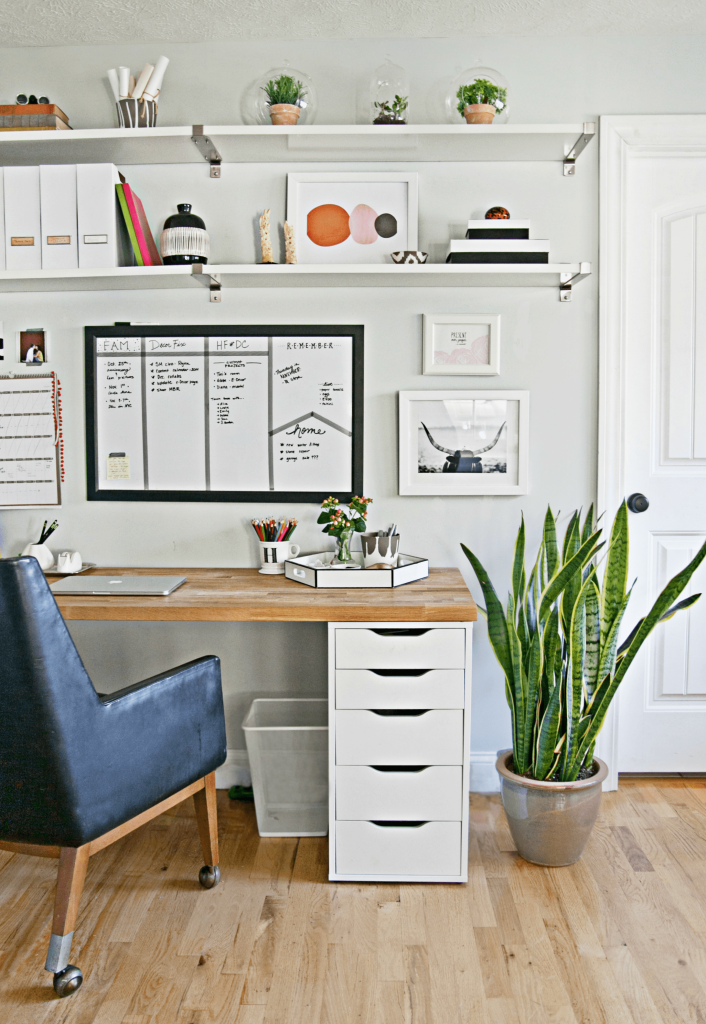
Research has shown that an efficiently organized space can lead to increased productivity. For instance, a study conducted by the Princeton University Neuroscience Institute found that clutter can hinder focus and task completion. By minimizing items, you create an environment where distractions are minimized, thus enabling greater concentration. This principle is particularly applicable in office settings, where streamlined workspaces can significantly enhance both employee satisfaction and performance. A tidy desk with only essential tools boosts creativity and makes work processes more effective—without excess noise from unneeded objects.
Furthermore, technology plays a pivotal role in modern item minimization strategies that can lead to substantial space savings. For example, digital storage solutions have revolutionized how we manage files and documents. The shift away from physical paperwork not only frees up desk space but also promotes environmental sustainability. The adoption of cloud storage systems allows users to access important documents from anywhere without the burden of physical files. A minimalist approach to technology—embracing only the apps and devices that serve a clear purpose—can vastly improve overall organization.
In addition to the functional elements, item minimization adheres to the principles of sustainability. A growing trend in the United States involves consumers gravitating towards a minimalistic lifestyle that emphasizes quality over quantity. This shift is reflected in the increasing popularity of second-hand shopping and swapping community events, where individuals are encouraged to recycle and repurpose items rather than acquire new ones. By making conscientious choices to reuse and recycle, you can create a more sustainable lifestyle that not only enhances space efficiency but also resonates with eco-conscious values.
To further foster a minimalist lifestyle, individuals can also engage in the Marie Kondo method—a popular organization technique influencing many households across the U.S. This method encourages keeping only those items that “spark joy.” This emotional connection adds another layer of meaning to the concept of item minimization, as it focuses on valuing quality and utility over mere quantity. The impact of emotional well-being stemming from a thoughtfully curated collection can provide deeper satisfaction than sheer accumulation ever could.
Practical Steps Towards Functional Efficiency
- Implement a “30-day minimalism game”: Challenge yourself to remove one item on the first day, two on the second, and so forth, until reaching 30 items by the end of the month.
- Create multifunctional spaces: Arrange furniture for versatile use—such as a coffee table that opens for storage—maximizing utility.
- Prioritize items by use: Keep day-to-day essentials within easy reach while boxing away seasonal or rarely used items.
- Encourage a sharing economy: Connect with neighbors for sharing tools and resources to minimize personal holdings while increasing community resourcefulness.
Ultimately, embracing item minimization as part of functional organization involves not only reclaiming physical space but also redefining our relationship with our possessions. Such transformation, deeply rooted in both practicality and purpose, empowers individuals to cultivate more meaningful environments, promote sustainability, and enhance their quality of life in meaningful ways.
DIVE DEEPER: Click here to discover the power of letting go
Final Thoughts on Space Efficiency Through Item Minimization
In conclusion, the journey towards functional organization through strategic item minimization is not just about decluttering; it’s a holistic approach to improving both our environments and daily lives. By making deliberate choices about what we keep, we can create spaces that are not only aesthetically pleasing but also highly functional. The evidence linking minimized items to enhanced productivity and focus underscores the significant benefits of such a lifestyle shift. As we streamline our environments, we foster a sense of calm and clarity that translates into improved performance at work, more restful home environments, and ultimately, greater overall satisfaction.
Moreover, the integration of modern technological solutions, such as cloud storage and digital organization tools, illustrates that item minimization can coexist with our digital age. This evolution resonates well with sustainability efforts—where choosing quality over quantity promotes a healthier planet, aligning with growing consumer trends in the United States toward responsible consumption.
As more individuals adopt minimalist philosophies, such as the Marie Kondo method, the collective impact can create a cultural shift that values meaningful possessions and reduces waste. By practicing these principles and leveraging practical strategies to declutter our spaces, we can cultivate not only functional efficiencies but also a joyful living experience. The time to embrace this change is now; through item minimization, we can redefine our relationship with the things we own and, in doing so, enhance our overall quality of life.