Deconstructing Consumerism: Conscious Consumption Practices to Improve Personal Well-Being

The Impact of Consumerism on Our Lives
In a landscape saturated with constant advertising and promotional strategies, individuals often find themselves ensnared in a cycle of consumption that can feel both overwhelming and inescapable. However, a burgeoning movement focused on conscious consumption is encouraging a re-evaluation of our consumer habits, fostering a shift toward prioritizing personal well-being alongside societal health.
This transition to mindful consumption not only shapes individual lives but carries broader societal implications. Below are several critical dimensions to consider as we navigate this landscape:
- Environmental Benefits: Engaging in conscious consumption can significantly minimize waste, as individuals become more discerning about what they buy. For example, opting for products with minimal packaging or choosing second-hand items can contribute to a reduction in landfill overflow and lower carbon emissions. According to the Environmental Protection Agency (EPA), Americans generated over 292 million tons of trash in 2018, highlighting the urgent need for sustainable practices.
- Financial Health: By prioritizing needs over wants, consumers often find that their financial situations improve. This means making calculated decisions about what to purchase rather than succumbing to impulse buys driven by hefty marketing campaigns. A report from the Bureau of Economic Analysis indicated many Americans save significantly when they adopt a minimalist approach—spending less on unnecessary products and services can lead to better savings rates and ultimately, financial security.
- Emotional Well-Being: Research has shown that individuals who focus on making meaningful purchases—those that align with their values—experience higher levels of satisfaction and happiness. Conscious consumers may choose to invest in experiences rather than material goods, which contribute to lasting memories and personal growth. For instance, purchasing tickets to a local theatre performance supports the arts while also providing enriching experiences, enhancing emotional well-being.
As American consumers, we wield considerable influence over the market through our purchasing behavior. By becoming more aware of our consumption patterns, we can make impactful choices that not only enhance our lives but also promote sustainability in our communities.
To further explore this journey towards conscious consumption, we can adopt practical steps such as mindful shopping techniques, which emphasize thoughtful purchasing decisions, or supporting local businesses that contribute to the local economy. Each choice, no matter how small, can lead to a more balanced and fulfilling lifestyle. Join us as we delve into the nuances of this journey and uncover the beneficial practices that lie ahead.
DIVE DEEPER: Click here to discover more about conscious consumption
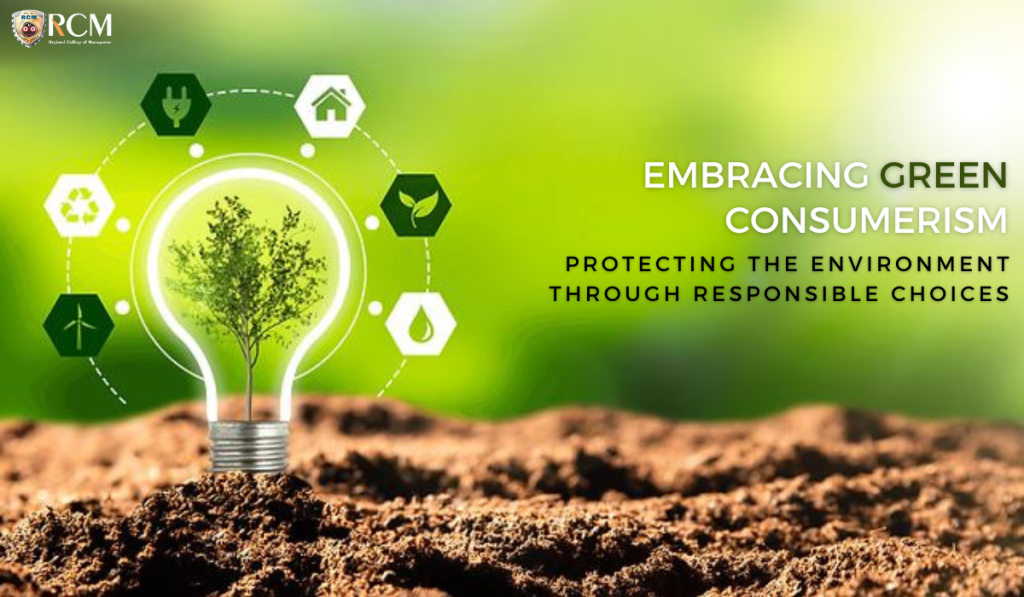
Embracing Conscious Consumption
The concept of conscious consumption prompts us to reconsider not only what we buy but also how our purchasing decisions affect our life quality, communities, and the environment. By making deliberate choices, we can escape the frenetic cycle of consumerism and instead cultivate a lifestyle that promotes personal well-being. But how do we begin this journey?
Practical Steps Toward Mindful Shopping
Transitioning to a more mindful shopping experience does not require dramatic lifestyle changes; instead, it can start with small adjustments that lead to a more fulfilling existence. Here are actionable practices to consider:
- Create a Shopping List: Before embarking on a shopping trip, list essential items. This method mitigates impulse buying and directs attention toward necessary products, reducing the chance of unnecessary spending.
- Research Before You Buy: Take the time to investigate products and brands before making a purchase. Knowledge about a product’s ethical sourcing, environmental impact, and overall quality can help guide purchase decisions toward brands that resonate with your values.
- Support Local Businesses: Buying from local farmers, artisans, and shops not only fosters community connections but also promotes a robust local economy. These purchases often have a smaller carbon footprint compared to mass-produced items shipped from overseas.
- Practice the “One In, One Out” Rule: For every new item you acquire, consider donating or recycling an old item. This helps to minimize clutter and makes you more intentional about each purchase.
- Adopt a Minimalist Mindset: Embrace the idea that less can be more. Focus on intentionality and quality over quantity by investing in fewer, high-quality items that you truly need and that will serve you well in the long run.
These mindful strategies do not just promise environmental and financial benefits; they pave the way toward an enriched personal narrative. By choosing to consume only what aligns with our values and needs, we create a sense of ownership over our lifestyles, leading to greater satisfaction and happiness.
The Ripple Effect of Conscious Choices
As we engage in conscious consumption, the effects extend beyond the individual level, influencing broader societal trends. When consumers advocate for sustainable brands and consciously select eco-friendly products, they collectively send a message to corporations and policymakers. This shift in consumer power encourages businesses to adopt sustainable practices, representing a crucial step in combatting the negative impact of consumerism as a whole.
The journey to enhance personal well-being through conscious consumption is not just a personal endeavor; it is a movement that empowers individuals to effect change in their communities and promote environmental sustainability. As consumers, we have the ability to reshape markets through intentional buying, ultimately leading to a brighter future for ourselves and the planet.
| Category | Insights |
|---|---|
| Ecosystem Awareness | Understanding product sources and their environmental impacts fosters responsible choices, enhancing personal well-being. |
| Healthier Choices | Conscious consumption promotes better health outcomes by encouraging nutritious and sustainable products, leading to a more fulfilling lifestyle. |
As we delve deeper into the theme of “Deconstructing Consumerism: Conscious Consumption Practices to Improve Personal Well-Being,” it becomes important to explore how ecosystem awareness plays a pivotal role in shaping our purchasing habits. By understanding the origins of the products we buy, we can make informed decisions that not only benefit our health but also support sustainable practices. Moreover, the focus on healthier choices encourages individuals to prioritize their well-being. Conscious consumption leads to selecting products that are both nutritious and environmentally friendly, fostering a lifestyle rooted in care for oneself and the planet. This practice not only cultivates a sense of satisfaction but also promotes a peaceful mindset, thus aligning personal well-being with responsible consumer choices. The urgency to shift away from blind consumption is evident, as these practices have the potential to transform not just individual health, but our entire ecosystem.
DISCOVER MORE: Click here to enhance your productivity
Building Sustainable Communities Through Collective Actions
Conscious consumption transcends individual choices; it fosters a community-oriented approach that encourages collective action. When individuals band together, their impact multiplies, leading to more robust movements focused on sustainable practices. Consider community-supported agriculture (CSA) programs, which allow consumers to buy shares of local farms’ harvests. This model not only provides fresh, organic produce directly from farmers but also strengthens local economies while establishing deeper connections within the community.
The Role of Education and Awareness
Education plays a crucial role in promoting conscious consumption. By understanding the implications of our purchases—whether regarding labor practices, environmental sustainability, or animal welfare—consumers can make informed decisions. Various organizations across the United States work to raise awareness about the ecological and social footprints of consumer products. For instance, the Story of Stuff Project offers insightful resources on the lifecycle of consumer goods, empowering individuals to think critically about the items they bring into their lives.
Additionally, workshops and seminars aimed at educating people about sustainable living practices create opportunities for community engagement. These initiatives can range from upcycling workshops to discussions on sustainable fashion, further enriching public discourse around consumerism’s impact. By fostering a culture of learning and sharing, community members can become catalysts for change, inspiring one another to adopt conscientious habits.
Digital Platforms and Conscious Consumption
The digital age has opened new avenues for conscious consumers to connect and collaborate. Social media platforms serve as powerful tools for awareness and advocacy. Through carefully curated content, influencers and organizations can highlight sustainable brands and ethical consumption practices. Moreover, platforms like Buy Nothing encourage neighbors to give away items they no longer need, promoting a culture of sharing rather than ownership. This shift can significantly reduce waste and foster a sense of community, reinforcing the idea that well-being stems from human connection rather than material accumulation.
Online marketplaces focused on sustainability, such as ThredUp and EarthHero, also provide consumers with convenient access to ethically produced and second-hand items. By choosing to engage with these platforms, consumers distance themselves from fast fashion and disposable goods, manifesting their values and contributing to a growing trend towards sustainable consumption.
Measuring Personal Impact and Growth
As individuals embark on their journey toward mindful consumption, it is important to regularly assess both personal and collective progress. Keeping a consumption journal can help identify patterns, successes, and opportunities for improvement. By reflecting on purchases, one can discern whether they align with personal values and overall well-being. Additionally, making conscious consumption a social endeavor—discussing choices with friends and participating in community initiatives—can amplify accountability and bolster efforts.
Ultimately, the journey of deconstructing consumerism and embracing consciousness is transformative. Through education, digital engagement, and community support, individuals can cultivate a lifestyle that not only benefits their personal well-being but also contributes to the creation of a healthier planet and stronger communities. Recognizing the interconnectedness of our choices fosters a deeper sense of purpose, revealing the profound impact of mindful consumption on the world around us.
DISCOVER MORE: Click here for tips on creating functional spaces
Embracing a Future of Conscious Choices
As we navigate the complexities of modern life, the concept of conscious consumption emerges as a vital antidote to the overwhelming influence of consumerism. By embracing mindful practices that prioritize sustainability, ethical sourcing, and community connection, individuals can significantly enhance their personal well-being while simultaneously contributing to a healthier planet. The shift toward conscious consumption is not merely about reducing material accumulation; it is a redefinition of wealth that values quality over quantity and relationships over possessions.
Community engagement, supported by educational initiatives and digital platforms, empowers consumers to make informed decisions that resonate with their values. The ripple effect of these choices can strengthen local economies, foster social bonds, and create a supportive environment where shared knowledge enhances sustainability efforts. Tapping into these resources allows individuals to not only better understand the lifecycle of products they consume but also to cultivate a greater sense of purpose in their daily lives.
Ultimately, the journey of deconstructing consumerism invites us to rethink our priorities and confront the societal norms that dictate what it means to live well. By reflecting on our consumption habits and aligning them with our holistic well-being, we can engage in a transformative process that transcends personal gain and extends toward collective enrichment. Together, we have the opportunity to cultivate a culture of consciousness that champions a sustainable future, where well-being is defined by our choices, our connections, and our commitment to protecting the world we share.