Mindful Consumption and Minimalist Aesthetics: How Style and Functionality Can Coexist
Understanding Mindful Consumption and Minimalist Aesthetics
As society moves into an era marked by technology and abundance, a growing number of individuals are re-evaluating their relationship with material possessions. This trend centers around the principles of mindful consumption and minimalist aesthetics, which encourage consumers to delve deeper into the implications of their purchasing behaviors. The rising consciousness about environmental sustainability and personal wellbeing is prompting a rethinking of what it means to lead an intentional life.
Mindfulness in consumer habits emphasizes the importance of making deliberate decisions when it comes to buying. This means looking beyond mere wants and reflecting on needs and ethics. For instance, when choosing clothing, many are now opting for brands that prioritize ethical production practices and sustainable materials. The slow fashion movement encourages consumers to invest in quality pieces that withstand the test of time rather than succumbing to fast fashion trends that are often fleeting and harmful to the environment.
- Mindfulness: Focusing on ethical brands and sustainable materials.
- Minimalism: Embracing quality over quantity by choosing a few well-made items.
- Functionality: Selecting products that combine aesthetic appeal with practical use.
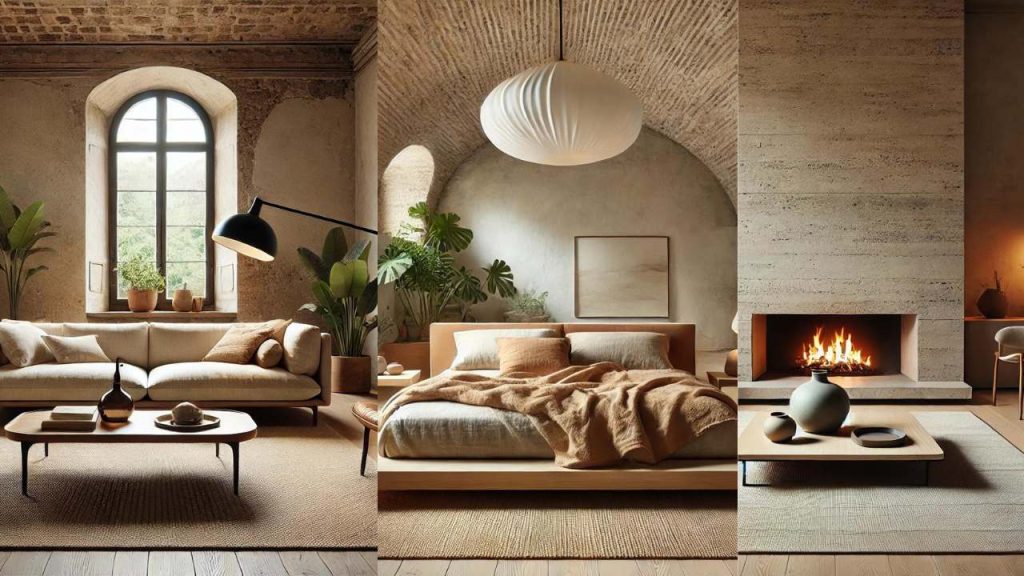
On the other hand, minimalism fosters a lifestyle characterized by simplicity. It’s about stripping away excess to appreciate the beauty of the few remaining items. This might manifest in personal spaces where furniture is intentionally chosen to bring clarity and serenity rather than chaos. For example, a well-designed living room may feature a stylish yet functional coffee table that also provides storage, helping to maintain a clutter-free environment.
- Designing spaces that promote mental clarity and well-being through strategic arrangement.
- Integrating multi-functional furniture like a sleep sofa or expandable dining tables to maximize space.
- Choosing home decor items that are not only attractive but also serve a purpose, such as shelves that display art while providing storage.
Investing in sustainable products has never been more accessible, with numerous U.S. brands emerging that seamlessly blend style with environmental consciousness. Think of cafés using biodegradable materials or furniture made from reclaimed wood. By opting for these products, consumers are actively participating in a broader initiative aimed at environmental protection and sustainability. The intertwining of style and functionality builds a life that is not only aesthetically pleasing but also environmentally-minded.
By exploring how these principles can coexist, we can inspire a pathway towards conscious decision-making. This journey reshapes our consumer habits, fostering a culture that values beauty and practicality. As you navigate your own choices, consider the lasting impact of each purchase. Are you ready to embrace a lifestyle that marries aesthetics and purpose for a brighter, more sustainable future?
DISCOVER MORE: Click here for practical time management tips
Embracing Mindful Consumption
At the heart of mindful consumption lies a profound shift in awareness towards the choices we make in our everyday lives. This philosophy urges consumers to ask themselves essential questions: What do I truly need? How does this product align with my values? Are my purchasing decisions reflecting my desire for sustainability and ethical practices? As individuals grapple with the realities of climate change and social responsibility, the answers to these questions are becoming more critical than ever.
Today’s consumers are increasingly motivated by a desire to reduce their ecological footprint and promote ethical industry practices. For instance, according to a recent survey, over 66% of Americans express willingness to pay more for products from sustainable brands. This trend indicates that the push for ethical consumption is not just a passing fad but rather a fundamental change in purchasing behavior. Brands are responding by adopting transparent supply chains, environmentally friendly materials, and fair labor practices to meet the growing demand.
- Ethical Sourcing: Understanding where products come from and the conditions under which they are made.
- Durability: Investing in items designed to last, diminishing the need for frequent replacements.
- Local Economy Support: Choosing to buy from local artisans and businesses to bolster community growth.
Minimalist Aesthetics: The Beauty of Less
While mindful consumption emphasizes the importance of intentional purchasing, minimalist aesthetics celebrates the elegance and functionality of simplicity. This approach to design and lifestyle encourages a careful selection of items that enhance our spaces and experiences without overwhelming them. Minimalism values not just the absence of clutter but the mindful curation of objects that evoke joy and purpose.
Consider the shift in interior design trends that favors open spaces and clean lines. Homes are now being reimagined with versatile furnishings that can serve multiple purposes, such as a sleek sofa bed for guests or coffee tables that double as storage units. These innovations reflect the growing synergy between style and functionality, offering aesthetic appeal while enhancing practicality. As a result, living spaces can be transformed into sanctuaries of calmness rather than chaotic collections of stuff.
- Multi-functional Furniture: Pieces that serve more than one purpose, maximizing utility.
- Natural Materials: Choosing products made from organic and sustainable materials to enhance interior beauty.
- Simplified Color Palettes: Using a limited range of colors to create harmony and tranquility within a space.
As we embrace these principles, we begin to uncover a pathway that prioritizes authenticity in both our style and functionality. The blending of mindful consumption with minimalist aesthetics lays a foundation for living more sustainably while achieving a visually cohesive and peaceful environment. This transformative journey isn’t just about aesthetics; it’s a deliberate step toward creating a lifestyle that reflects our values and shapes our impacts on the world around us.
Exploring Minimalism in Everyday Life
In the quest for mindful consumption, embracing minimalism not only enhances aesthetic appeal but also fosters a profound connection to the objects we choose to surround ourselves with. Minimalist aesthetics prioritize simplicity and functionality, encouraging us to seek out pieces that serve a purpose while also contributing to an elegant, uncluttered environment.
Incorporating minimalist design into your daily routine can manifest in various ways. For instance, consider furniture that transforms spaces through its functionality, such as modular sofas that adapt to different layouts. These versatile pieces not only maintain a clean look but also optimize space, catering to the needs of modern living.
Moreover, when it comes to clothing, adopting a capsule wardrobe can streamline your choices while ensuring that every piece is thoughtfully selected. Focusing on quality over quantity allows you to invest in timeless garments that stand the test of trends, creating a sustainable approach to fashion.
Impact of Mindful Choices
Making mindful purchasing decisions influences not only our immediate environment but also the greater ecosystem. By opting for eco-friendly materials and supporting brands that prioritize sustainability, we contribute to a more responsible consumption model. This alignment of style and functionality is essential for those striving to minimize their environmental footprint while maintaining a distinctive aesthetic.
It is also worth noting that minimalism extends beyond physical items; it encompasses mental decluttering as well. Reducing digital distractions and cultivating intentional living can remarkably improve overall well-being. By identifying what truly adds value to our lives—be it experiences, relationships, or objects—we create space for joy and appreciation in our daily routines.
Engaging with the Concept
To fully embrace the philosophy of mindful consumption and minimalist aesthetics, consider educational platforms and workshops. These resources often provide insights on evaluating our needs versus wants, guiding us to make informed choices that align with our values. Engaging with a community of like-minded individuals can also inspire continuous learning and growth in this mindful journey.
| Advantage | Description |
|---|---|
| Sustainable Choices | Prioritizing purchases that support eco-friendly practices enhances quality of life. |
| Timeless Design | Emphasizing function alongside aesthetics leads to enduring style. |
The journey of mindful consumption is not merely a trend; it is a lifestyle choice that paves the way for a more intentional and fulfilling existence. As we explore and share these principles, let us create spaces and lives that reflect our values while showcasing the beauty of simplicity.
DISCOVER MORE: Click here to enhance your space efficiency
Functional Design: Where Form Meets Purpose
In the realm of mindful consumption, functional design has emerged as a critical aspect that harmonizes aesthetics with utility. It prioritizes creating objects that not only serve a purpose but also contribute to a visually appealing environment. This intersection of style and function resonates particularly well with a generation that values experiences over possessions and seeks to curate their surroundings intentionally.
One of the notable trends in functional design is the rise of brands emphasizing modular and customizable solutions. For example, companies like IKEA have made waves by offering products that people can personalize to fit their unique lifestyles. This innovation allows individuals to make choices that suit their living spaces while maintaining a commitment to minimalist design principles. Instead of adhering to a one-size-fits-all approach, these products offer flexibility and adaptability, proving that style and functionality can grow hand in hand.
- Modular Design: Products that can be combined in various ways to fit different functions, making them perfect for small areas.
- Simplicity in Technology: Everyday gadgets are sleekly designed to reduce visual clutter while enhancing user experience.
- Accessible Design: A focus on creating products that are user-friendly and cater to a wider range of abilities, encouraging inclusivity.
The Role of Consumer Education
As consumers navigate the landscape of mindful consumption, education emerges as a key element in making informed choices. Awareness surrounding the long-term benefits of purchasing high-quality and sustainable items empowers individuals to shift their buying habits. For instance, understanding the environmental costs associated with fast fashion can prompt individuals to support clothing brands focused on sustainability, like Patagonia or Everlane, known for their transparency in sourcing and production.
Moreover, platforms that provide in-depth product reviews and certifications—such as Good On You—offer valuable insights into the ethical practices of brands across various industries. This knowledge encourages consumers to recognize the impact their purchasing decisions have on the environment and society, leading to choices that align with their values.
- Transparency in Branding: Brands are increasingly providing information about their production processes, materials, and labor practices, allowing consumers to buy with purpose.
- Subscription Models: Companies are adopting subscription services for essentials, encouraging a focus on quality over quantity and minimizing waste.
- Education Through Community: Local workshops and online forums are encouraging discussions about mindful consumption and minimalist practices, creating a supportive environment for learning.
This increased emphasis on education and awareness shifts the narrative from passive consumption to active engagement with the products we choose to bring into our lives. As we become more informed, the blend of minimalist aesthetics and functional design empowers ourselves to curate a living space that is not only visually appealing but also serves our everyday needs, underscoring how our choices can echo our commitment to sustainability and ethical living.
DIVE DEEPER: Click here for tips on maximizing small spaces
Finding Balance in Everyday Choices
As we reflect on the synergy between mindful consumption and minimalist aesthetics, it becomes clear that the journey toward a more intentional lifestyle necessitates a balance between style and functionality. By prioritizing products that embody both beauty and practicality, consumers can create spaces that not only inspire but also serve their needs efficiently. This is not merely a trend; it is a shift toward embracing quality over quantity, fostering deeper connections with the items we choose to surround ourselves with.
The growing emphasis on functional design—from modular furniture that adapts to individual lifestyles to technology that streamlines our daily tasks—encourages consumers to seek out solutions that reflect their values. The commitment to sustainability and ethical production practices further amplifies this discourse, presenting opportunities for brands and shoppers alike to engage in meaningful conversations about responsible living.
Ultimately, the power lies in consumer education. As individuals become more aware of the impact of their purchasing decisions, the path toward mindful consumption can lead to a more fulfilling and sustainable way of life. This convergence of style and function not only transforms personal spaces but also serves as a catalyst for broader societal change. By embracing minimalist principles and making thoughtful choices, we can contribute to a culture that celebrates simplicity, purpose, and sustainability—fostering environments that inspire tranquility and intentionality for years to come.