The Art of Letting Go: How Simplicity Living Transforms Spaces and Minds
Discovering the Power of Minimalism
In a world filled with distractions and clutter, the art of letting go presents a refreshing avenue towards rejuvenation. Embracing simplicity living is more than just a trend; it is a transformative journey that impacts both our environments and our mental well-being. The quest for minimalism arises from an increasing recognition of the burdens associated with material possessions and the chaos they can introduce into our lives.
What Does Simplicity Living Mean?
Simplicity living revolves around intentionally simplifying various aspects of life. This approach involves:
- Decluttering spaces: Removing items that no longer serve a purpose can be immensely liberating. An individual might start by clearing out a closet and, once the process begins, realize how many items have been kept out of a sense of obligation rather than necessity.
- Mindful consumption: This involves evaluating what we bring into our lives. Before making a purchase, one can ask fundamental questions such as, “Will this enhance my life?” or “Do I truly need this?” This scrutiny leads to more meaningful purchases and reduces impulse buying.
- Emotional detachment: Letting go of ties to possessions and memories can be challenging. However, understanding that memories are held within and not in material items is a crucial step. For example, instead of keeping every memento from a vacation, capturing the experience through photographs can be more beneficial.
As individuals explore this lifestyle, many report significant changes in their daily lives. The benefits extend beyond the physical realm and touch upon mental clarity, emotional peace, and renewed focus. A study conducted by the National Institute of Health has shown that clutter can contribute to increased stress levels, while individuals living in minimalistic environments often experience lower anxiety levels and improved mental health.
Transforming Spaces and Minds
By creating a more minimalistic environment, homes transform into sanctuaries of peace. Consider:
- Boosted creativity: Less clutter allows your mind to focus and generate ideas more freely. Artists and writers often thrive in minimalistic spaces where distractions are minimized.
- Improved focus: Simplicity reduces distractions. For instance, creating a designated workspace that is clean and uncluttered can enhance productivity for remote workers, a trend that has surged in recent years.
- Stress reduction: Organized spaces create a calming atmosphere. Creating a soothing environment can be as simple as maintaining a clean desk or creating a relaxing corner with plants and comfortable seating.
In an era where more is often deemed better, exploring the art of letting go invites you to rethink what truly matters. The minimalist movement has gained traction in various sectors, from fashion to architecture. Notably, brands like IKEA and Muji have popularized the idea that quality and simplicity can lead to more sustainable living options. Join this journey towards clarity and simplicity, and discover the deeper impact it may have on your life. By focusing on your priorities and eliminating the noise, you may find a renewed sense of purpose and fulfillment. Dare to embrace simplicity, and you may find yourself living a more enriched life.
DISCOVER MORE: Click here to learn how to maximize your space efficiency
The Freedom Found in Minimalism
As we navigate through life, we often accumulate possessions—clothes, gadgets, and trinkets—that eventually become more of a burden than a boon. The art of letting go is about liberating ourselves from these often unnecessary items, initiating a journey toward a more fulfilling, purposeful life. When one embraces simplicity living, it’s not merely about having less; it’s about making room for more of what truly adds value to our lives. This intentional decluttering allows us to focus on experiences rather than possessions, creating both physical and mental space for growth.
Why Choose Simplicity Living?
The choice to adopt a minimalist lifestyle stems from various motivations, each leading to similar outcomes. Many who embark on this journey report enhanced well-being, improved focus, and a sense of control over their lives. The reasons behind this shift may include:
- Less Financial Stress: Owning fewer items can lead to significant savings. By prioritizing quality over quantity, individuals can invest in durable and versatile products rather than succumbing to fleeting trends.
- Enhanced Mental Clarity: Research indicates that clutter not only distracts but can contribute to feelings of anxiety. Streamlined spaces promote peace of mind, inviting creativity to flourish. Studies have shown that even 29% of people report feeling overwhelmed by their possessions.
- Environmental Awareness: With sustainability becoming a global concern, simplicity living resonates with eco-conscious choices. By reducing consumption, we collectively lessen our carbon footprint and reduce waste.
Moreover, simplicity living is a powerful antidote to the ‘more is better’ mentality that often permeates American culture. As the average household has seen a dramatic increase in items—currently estimated to own over 300,000 possessions—it’s no wonder that many feel overwhelmed. Instead of pursuing the unattainable ideal of excessive affluence, minimalists opt for a lifestyle where the beauty lies in the essentials.
The Transformative Effects on Lifestyle
Implementing simplicity living leads to profound changes across various aspects of lifestyle—such as home, work, and relationships. Spaces cultivated with intention can enhance one’s overall experience, exemplified by:
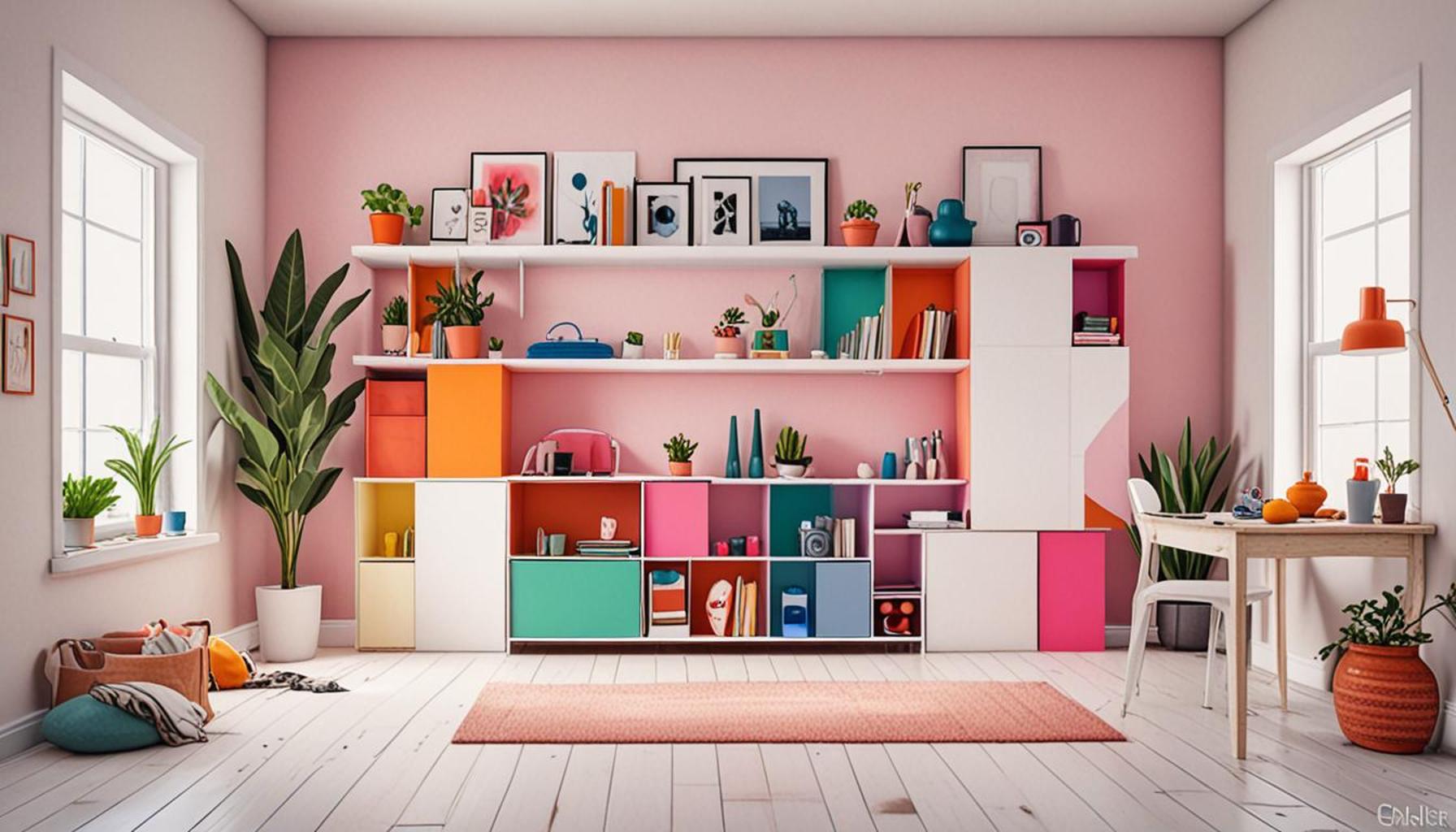
- Functional Decor: A minimalist approach often leads to homes that are not just aesthetically pleasing, but also highly functional. Utilizing multi-purpose furniture can declutter spaces while enhancing livability.
- Balanced Routines: Creating a daily rhythm that reflects your priorities becomes easier when surrounded by fewer distractions. For many, this has meant dedicating time for mindfulness practices, exercise, or cultivating relationships.
- Intentional Connections: The act of letting go filters relationships too. Focusing on quality interactions over quantity fosters deeper connections with those who genuinely share values and interests.
As you embark on this transformative path of simplicity living, you not only reshape your physical surroundings but also cultivate a mindset geared toward intentionality and discovery. The journey may not be easy, but the rewards of a simplified life are well worth the effort. By diving deeper into the art of letting go, you will uncover the profound impact it can have on every facet of your life.
The Transformative Power of Simplicity in Living Spaces
In the quest for a peaceful existence, simplicity living encourages individuals to declutter both their physical and mental spaces. This approach promotes not only a calmer living environment but also a clearer state of mind. By minimizing possessions, individuals often find that they can focus better on what truly matters in life—relationships, experiences, and personal growth. The act of letting go of unnecessary items can be liberating, creating room for new opportunities and ideas.
Minimalist Aesthetics Enhance Well-being
The aesthetic of simplicity living often incorporates clean lines and functional design, transforming spaces into serene havens. A minimalist approach can help reduce stress levels, as cluttered environments are often linked to feelings of anxiety and overwhelm. For instance, using neutral colors and natural materials not only makes a space look larger but also evokes calmness. Research indicates that exposure to simplified environments can lead to improved mental clarity and productivity, encouraging a more positive outlook on life.
The Emotional Benefits of Letting Go
Engaging in the practice of letting go can also have profound emotional benefits. By confronting the emotional ties we have to material possessions, individuals often experience a weight lifted off their shoulders. This process encourages reflection on what is truly important, providing a greater sense of purpose. Moreover, it fosters mindfulness, allowing individuals to live in the present moment without the burden of past attachments. Such transformations are not only beneficial for our living spaces but essential for our mental wellness.
| Advantage | Description |
|---|---|
| Clarity and Focus | Simplicity living fosters a mindset that prioritizes clarity, allowing deeper focus on essential aspects of life. |
| Emotional Release | Letting go of unnecessary items creates emotional space, promoting a healthier mental environment and personal growth. |
As we delve deeper into the art of letting go, it becomes clear that simplicity living isn’t just about what we remove from our surroundings, but also about what we gain—insight, peace, and a well-organized mind. Exploring these benefits further can lead to a transformative journey in both our physical spaces and personal lives.
DISCOVER MORE: Click here to learn about boosting your productivity</p
Emotional and Psychological Benefits of Letting Go
While the physical decluttering associated with simplicity living yields clear benefits, the emotional and psychological transformations can be equally impactful. By mastering the art of letting go, individuals not only create a more serene physical environment but also nurture a healthier mental landscape, characterized by calmness and focus.
Finding Emotional Clarity
The act of decluttering can often unveil deeper emotional ties to possessions. Many people grapple with the sentimentality attached to items, believing they embody a part of their identity or history. However, confronting these emotions can spark liberation. A study conducted by the Journal of Environmental Psychology revealed that individuals who engaged in decluttering experienced a 74% increase in feelings of empowerment and life satisfaction. This strong correlation emphasizes the emotional clarity that comes from letting go of materials that no longer serve a purpose.
The Role of Mindfulness in Simplicity Living
Minimalism is often closely associated with mindfulness—a practice that involves being present and fully engaged in the moment. When you begin to declutter your spaces, you inevitably invite mindfulness into your life. By focusing on the items that truly matter, you cultivate an awareness of how you spend your time and energy. Embracing a minimalist lifestyle can lead to:
- Heightened Self-Awareness: As you assess what to keep and what to let go, you begin to understand your values and priorities in life. This increasing clarity encourages conscious decision-making.
- Stress Reduction: The more you simplify, the more mental chaos dissipates. A study by Princeton University found that multitasking amidst clutter can impair concentration. By embracing simplicity, you can cultivate a tranquil environment conducive to focus and productivity.
- Improved Emotional Resilience: Letting go of items and associated emotional baggage builds resilience. It fosters a mindset that embraces change, allowing individuals to adapt more easily to life’s many challenges.
Building Community Through Simplicity
In addition to personal benefits, embracing simplicity living can lead to stronger community connections. The minimalist lifestyle encourages individuals to prioritize shared experiences over material goods, thereby forging deeper relationships. Evidence shows that communal activities, such as potluck dinners or group workouts, enrich our lives in ways that collecting more possessions cannot. The phenomenon of ‘buy nothing’ groups, which encourage members to share goods without monetary exchanges, is a powerful testament to the communal spirit fostered by simplicity.
Furthermore, simplicity living can promote a sense of social responsibility. By opting to reduce consumption, individuals often feel compelled to improve their communities, whether through volunteering or supporting local businesses. This shift not only enhances personal fulfillment but also contributes to the well-being of the community as a whole.
Ultimately, immersing oneself in the art of letting go transcends merely tidying up. It is a philosophy that reshapes our interactions, bolsters our mental health, and enriches our communal ties. As we let go of what no longer serves us, we open the doors to opportunities that reflect who we are and who we wish to become. The journey may be transformative, yet it starts with a single decision: to live simply, to live purposefully, and to embrace the freedom that comes with it.
DIVE DEEPER: Click here to discover more
Embracing the Journey of Simplicity
In closing, the art of letting go is more than just a path to a cleaner space; it serves as a transformative journey that enriches both our physical environments and our mental landscapes. By adopting the principles of simplicity living, individuals can experience profound shifts in their lives, leading to enhanced emotional clarity, greater self-awareness, and a stronger connection to community.
As we’ve explored, there are not only practical advantages to decluttering, such as increased focus and reduced stress, but also deep-seated psychological benefits that promote well-being and resilience. A minimalist lifestyle invites us to prioritize meaningful experiences over material possessions, fostering relationships that matter most. The societal movements we see, like ‘buy nothing’ groups, resonate with this shift towards community care and support, demonstrating that together we can cultivate a culture that values shared joys over sole ownership.
For anyone considering this transformative lifestyle, it’s crucial to remember that the journey to simplicity is personal and often reflective. Each item you choose to keep or release is a step towards gaining clarity about who you are and what you genuinely value in life. Armed with these insights, it becomes easier to navigate the complexities of modern living with confidence and intention.
Ultimately, embracing the art of letting go provides not just a pathway to a simpler life, but a means to cultivate a richer, more fulfilling existence. As you begin this process, ask yourself: What do you truly want to hold onto? What allows you to flourish? The responses to these questions will guide you toward a life that is not only simpler but also deeply rewarding.