Maximizing Small Spaces: Optimization Strategies for Minimalist Environments
Creating Harmony in Limited Areas
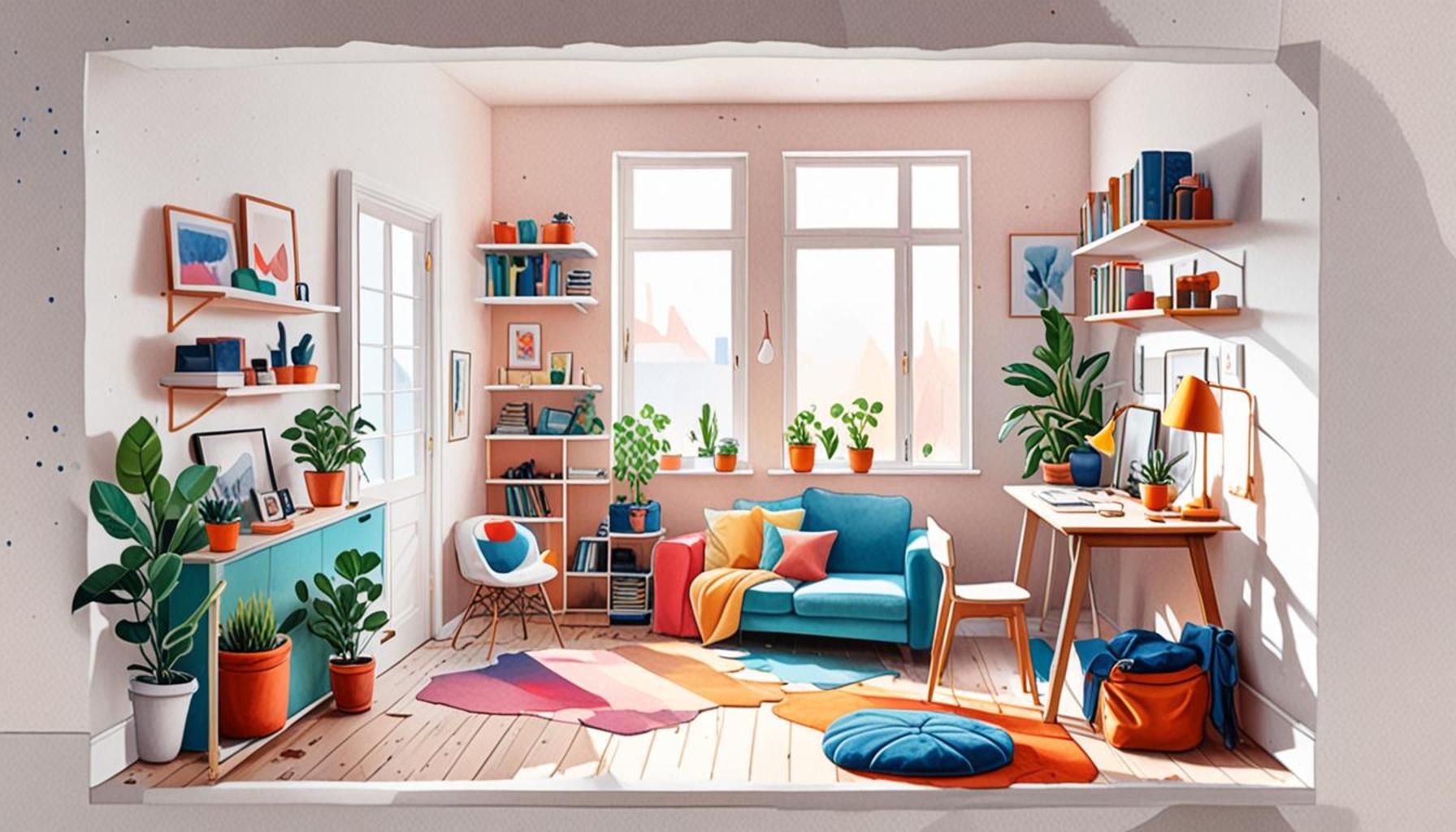
In America, where urban living spaces often come at a premium, the quest for maximizing small spaces has become an essential aspect of modern life. With city living on the rise, particularly in densely populated areas like New York City and San Francisco, many individuals are rethinking how to utilize every square inch of their homes. As the trend of *minimalism* gains traction, more people are searching for innovative methods to create functional yet aesthetic surroundings that do not overwhelm their senses or compromise style.
Essential Strategies for Small Space Optimization
Adopting effective strategies can transform a cramped area into a haven of efficiency. Consider the following:
- Multipurpose Furniture: Investing in furniture that serves multiple functions can be a game changer in small spaces. Take, for instance, a sofa bed, which allows guests to stay over without requiring a separate guest room. Similarly, a storage ottoman can be used as extra seating, a footrest, or even to stash away blankets and magazines, keeping your living area tidy.
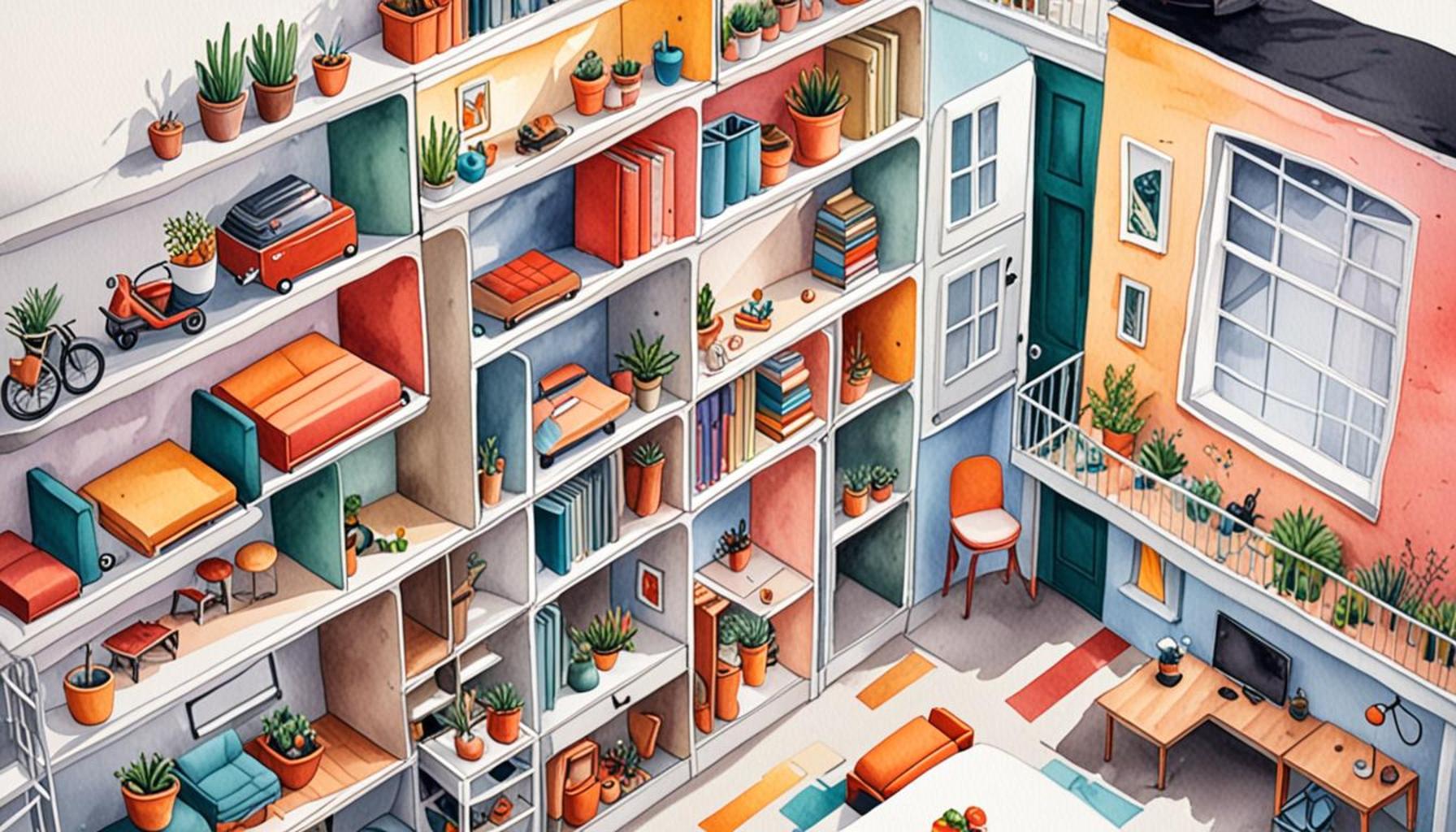
- Vertical Solutions: When floor space is limited, there is often more room to be found in the vertical dimension. Wall-mounted shelves can serve as a display for books and decorative items while keeping floor space clear. Additionally, hooks can be installed to hold everything from kitchen utensils to coats, effectively utilizing the often-overlooked dimensions of wall space.
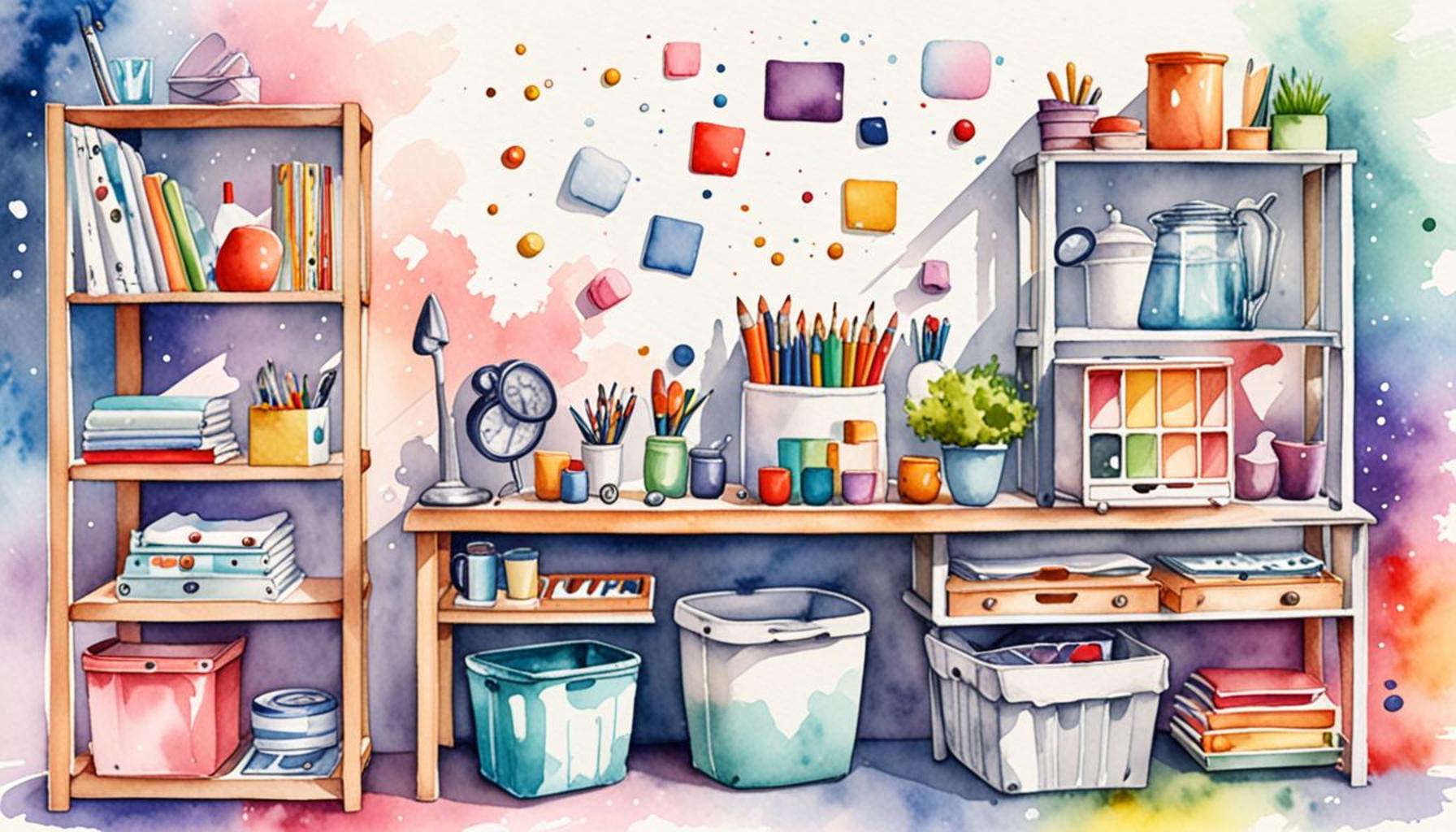
- Smart Organization: Clutter can quickly make a small space feel chaotic and cramped. Using bins, baskets, and drawer organizers can help to maintain a sense of order. For example, drawer dividers can be used in the kitchen to keep utensils sorted, while labeled bins can be utilized in closets to categorize shoes, accessories, and seasonal clothing. This not only enhances functionality but also retains a sleek visual appeal.
By concentrating on functionality and aesthetics, anyone can learn to love their limited space. The power of strategic design cannot be underestimated; even the smallest of environments can feel spacious and inviting when approached thoughtfully. Embracing a minimalist philosophy encourages one to focus on what truly matters, having fewer but more meaningful possessions. Implementing these strategies not only maximizes physical space but also enhances one’s mental well-being, creating a personal oasis amidst the hustle and bustle of urban life.
Whether you’re living in a cozy studio apartment or a compact home in the suburbs, understanding how to make the most out of a small footprint is key. With continued interest in sustainability and conscious living, the tools and resources available for optimizing small spaces are more varied and innovative than ever. Thus, the journey to create harmony in limited areas can lead not just to functional living, but to a deeper appreciation of simplicity and design.
DISCOVER MORE: Click here to learn about mindful consumption
Innovative Approaches for Compact Living
As urban dwellers seek to balance their lifestyles with limited living space, the need for innovative solutions to maximize small environments has never been more urgent. It’s not just about living with less; it’s about creating an efficient mosaic of thoughtfully curated elements that serve both functionality and aesthetic appeal. By employing varied approaches, those living in small apartments or homes can cultivate a welcoming and organized environment. Here are some detailed strategies to consider:
- Layered Lighting: In a compact space, lighting can transform an area dramatically. Rather than relying solely on overhead fixtures, integrating multiple sources of light—like floor lamps, table lamps, and wall sconces—can create a warm atmosphere while enhancing the perception of space. Consider using dimmable bulbs to adjust the brightness based on mood or time of day, making any room feel larger and more inviting.
- Color Schemes: The choice of colors can greatly impact how spacious a room feels. Opting for light colors on walls and ceilings, such as whites, soft grays, and pastels, can open up a cramped space. In contrast, bold hues can highlight defined areas, but careful balance is key to avoid making the space feel small. Incorporating mirrors can further amplify light and color, creating a sense of depth.
- Open Concept Design: For those considering renovations, think about adopting an open concept approach. This design style eliminates unnecessary walls and barriers, promoting a sense of continuity between rooms. For example, merging the kitchen and living area can inspire social interaction while maximizing usable space. Room dividers, such as bookshelves or sliding screens, can still provide definition while keeping the area airy.
Implementing these strategies fosters not just physical efficiency but also emotional comfort. A minimized environment encourages mindfulness and intentional living, allowing individuals to focus on what truly enhances their life. As urbanization continues to surge, the art of small space optimization reflects a broader cultural movement towards sustainability and resourcefulness.
Furthermore, the integration of technology cannot be overlooked in modern small spaces. Smart home devices can help monitor energy use and manage space efficiently. From motion-sensor lights to app-controlled heating and cooling systems, the advancements in technology allow for more dynamic space management that ultimately complements minimalist design efforts. This evolution signifies more than mere convenience—it’s a profound shift that aligns with the principles of minimalist living, offering residents a means to simplify their surroundings while enhancing their quality of life.
Innovative Optimization Strategies
In the quest for maximizing small spaces, innovative optimization strategies are essential. One highly effective approach is the integration of multi-functional furniture. By selecting items that serve multiple purposes, such as a sofa bed or an ottoman that doubles as storage, you can significantly reduce clutter while enhancing functionality.
Another noteworthy strategy is the use of vertical space. Implementing shelves, hooks, and tall cabinets allows for the creation of additional storage without consuming precious floor space. Furthermore, installing wall-mounted desks can provide an efficient workspace while maintaining a minimalist aesthetic.
Smart Storage Solutions
Maximizing small spaces also involves adopting smart storage solutions. Utilizing under-bed storage containers can optimize unused areas, while utilizing hidden compartments in furniture can further streamline your living environment. Consider investing in storage bins that blend with your decor to maintain a cohesive look.
The incorporation of mirrors is another technique that can create the illusion of space. Strategically placing mirrors can reflect light and give the appearance of a larger area, enhancing the overall ambiance of your minimalist home.
| Category | Description |
|---|---|
| Multi-functional Furniture | Versatile pieces that serve more than one purpose, saving space and enhancing functionality. |
| Smart Storage Solutions | Innovative ways to hide or eliminate clutter using cabinetry, containers, and hidden compartments. |
These strategies not only promote a cleaner aesthetic but also encourage a lifestyle that embraces minimalism. By carefully curating your living environment, it becomes possible to achieve both comfort and style, even in the most confined spaces.
DISCOVER MORE: Click here to simplify your life
Clever Storage Solutions for Enhanced Functionality
In small spaces, the challenge often lies not just in fitting essentials but in creating a functional environment where everything has its place. Ingenious storage solutions become the backbone of optimized minimalist living. With a careful selection of items, you can maintain order while maximizing every inch of space. Here are several techniques to consider:
- Utilizing Vertical Space: Elevating storage solutions is critical in small environments. Wall-mounted shelves and cabinets take advantage of vertical space, drawing the eye upward and making rooms feel larger. Consider installing pegboards in kitchens or craft areas for a visually appealing way to keep tools or utensils organized and accessible.
- Multi-functional Furniture: In the realm of small living, furniture that serves multiple purposes can be a game changer. Opt for pieces like a storage ottoman that doubles as seating or a coffee table that can expand into a dining area. Murphy beds and sleeper sofas also maximize utility in areas where space is at a premium.
- Under-the-Bed Storage: The space beneath beds often becomes an overlooked goldmine for storage. Investing in sturdy, flat bins, or drawers can help keep seasonal items, shoes, or extra bedding organized and out of sight. This strategy not only declutters living areas but also ensures items are easily accessible when needed.
- Creative Closet Solutions: Closets in small spaces can present unique challenges, but with creative solutions, they can amplify both organization and storage capacity. Consider installing tiered hangers and cascading hooks that maximize hanging space while using the door for additional organization with over-the-door racks or hooks.
Emphasizing clarity and simplicity in storage helps create an inviting home without the clutter. Each element in a minimalistic space should serve a purpose, enhancing life rather than complicating it. Incorporating open shelving allows for both function and display, showcasing cherished items while avoiding bulky cabinets that consume visual space.
The Art of Minimalist Decor
In minimalist environments, decor should embody simplicity and intention. The goal is to create an atmosphere that feels curated yet comfortable. Remember, it is all about balance; an overly sparse environment can feel cold, while overcrowding can stifle the essence of minimalism. Here are some succinct principles to keep your decor on point:
- Focal Points: Establish one or two focal points in a room, such as a beautiful piece of art or a distinctive piece of furniture. This draws the eye and can serve as a discussion starter, making the space feel alive without overwhelming it with multiple distractions.
- Natural Elements: Bringing in elements from nature—whether through plants, stones, or wooden accents—infuses warmth and life into minimalist spaces. Indoor plants not only enhance aesthetic appearance but also improve air quality, creating a healthier living environment.
- Limit Pattern Usage: When it comes to textiles and accessories, focus on a limited palette to maintain cohesion. Subtle patterns can add interest without detracting from the minimalist approach; consider geometric designs or soft textures that encourage visual warmth.
With these thoughtful decor principles, residents can create spaces that artfully reflect their personalities while maintaining a calm, clutter-free ambiance. Within the confines of small areas lies the opportunity to cultivate spaces that resonate with intention and design, paving the way for a more fulfilled minimalist lifestyle.
DIVE DEEPER: Click here to discover the KonMari method
Conclusion
In the quest for maximizing small spaces, the intersection of functionality and minimalist design emerges as a vital theme. By leveraging clever storage solutions and strategic decor choices, individuals can transform their living environments into organized, peaceful retreats—no matter the size. Emphasizing vertical space through wall-mounted shelves or adopting multi-functional furniture can significantly enhance usability while reflecting a sense of modernity and style.
Moreover, the art of minimalism is not merely about reducing clutter; it’s about curating an experience that resonates with your personal values and lifestyle. By selecting key decor elements that evoke emotion and charm, you can create an atmosphere that is both inviting and intentional. Natural elements, focal points, and a harmonious color palette together foster a serene ambiance that nurtures well-being.
Ultimately, maximizing small spaces allows us to engage with our homes meaningfully. It teaches us to prioritize what we truly need and love, thus promoting both practicality and mindfulness. As you venture into optimizing your living environment, remember that every choice contributes to a greater narrative about who you are and how you choose to live. Whether you’re a seasoned minimalist or just starting your journey, the strategies outlined here provide a robust framework for reimagining your space while celebrating simplicity and style.
In a world that often equates size with status, it’s essential to underline that minimalist environments can epitomize both comfort and beauty without excess. Embrace the challenge of limited space, and discover the broad possibilities it can unveil.