The Art of Living with Less: How Simplicity Transforms Spaces and Minds
The Hidden Benefits of Embracing Minimalism
In today’s fast-paced society, where consumerism reigns and digital noise bombards us daily, pursuing a life that embodies simplicity can feel like a radical choice. However, the act of living with less goes beyond surface-level aesthetics or trends; it can significantly impact our mental landscape, fostering clarity and peace. By decluttering our homes and lives, we make space not just physically but emotionally and mentally for the things that truly matter.
Decluttered Spaces: The Power of Serenity
A decluttered environment is synonymous with a decluttered mind. Research has shown that clutter can increase levels of stress and anxiety. For instance, a study published in the journal Personality and Social Psychology Bulletin found that women who described their homes as cluttered were more likely to feel depressed and overwhelmed than those with orderly spaces. By stripping away unnecessary items—old magazines, duplicated kitchen items, and clothes that no longer fit—we create a sanctuary that promotes calm and encourages mindfulness. Many minimalists advocate for the 30-Day Minimalism Game, where participants eliminate one item on Day 1, two items on Day 2, and so forth, leading to a significant de-cluttering experience by the end of the month.
Increased Focus: Leading a Purpose-Driven Life
Simplifying your environment allows for increased focus on interactions and tasks that enrich your existence. When our spaces are not filled with distractions, we can dedicate more time to activities that nurture our passions, talents, and relationships. For example, parents seeking to nurture stronger familial bonds might find that a more organized home translates to more quality time for family dinners or board game nights, free of the interruptions created by clutter. Individuals who have adopted a minimalist mindset, such as renowned tidying expert Marie Kondo, emphasize the importance of surrounding oneself only with items that “spark joy,” effectively honing our focus on what truly adds value to our lives.
Financial Freedom: Reimagining Spending
Living with less naturally encourages us to rethink our financial habits. When we prioritize needs over wants, we cut down on impulse purchases and redirect our funds towards savings or experiences that yield long-term satisfaction. By adopting this mindset, many find themselves enjoying financial relief, reducing debt, and enjoying experiences, like travel or continuing education, that they had previously deemed unattainable. Recent studies have shown that practicing minimalism can lead to considerable savings, as individuals report spending less on clothing, entertainment, and unnecessary gadgets.
Ultimately, the journey to minimalist living is not merely about emptying physical spaces but about filling our lives with intentionality and purpose. The stories of those who have embraced this lifestyle reveal remarkable transformations, from artists who find renewed inspiration in simplicity to families that develop deeper connections by prioritizing shared moments over material possessions. Each step taken towards minimalism opens doors to greater clarity and fulfillment.
In this article, we will explore various practical strategies to integrate simplicity into everyday life, delve into inspiring stories that illustrate the benefits of minimalism, and provide insights from experts who have journeyed through this transformative path. Join us as we uncover the profound impact of living with less on our environments and our minds.
DISCOVER MORE: Click here for effective daily planning strategies
Embracing Simplicity: A Journey Toward Mindful Living
Pursuing a minimalist lifestyle is not simply about owning fewer objects; it’s about cultivating a mindset that prioritizes intention over accumulation. By consciously evaluating what we choose to bring into our lives, we can uncover a more authentic sense of purpose and fulfillment. The act of simplifying our surroundings often mirrors a deeper internal transformation, marking the beginning of a journey toward mindfulness. This endeavor can lead to remarkable benefits that transcend physical possessions, impacting our overall well-being.
The Art of Mindful Consumption
In a culture saturated with advertisements and peer pressure to constantly upgrade, mindful consumption becomes an essential practice. This concept revolves around making deliberate choices about what we acquire, focusing on quality rather than quantity. By asking ourselves critical questions before making a purchase—such as, “Do I truly need this?” or “How will this item contribute to my happiness?”—we shift from mindless consumer habits to thoughtful decision-making. Transitioning to a mindset of conscious consumption can significantly reduce feelings of overwhelm and guilt associated with purchasing.
Creating Functional Spaces: The Role of Design in Minimalism
Design plays a pivotal role in promoting minimalist living. A well-thought-out layout can enhance functionality while minimizing clutter. Here are some strategies to create more functional spaces:
- Multi-purpose Furniture: Invest in furniture that serves multiple functions, such as a sofa bed or an ottoman with storage. This approach maximizes living space while reducing the number of items required.
- Open Spaces: Embrace open-concept designs that create flow and encourage connection among various areas of your home. This can facilitate a sense of liberation and visual peace.
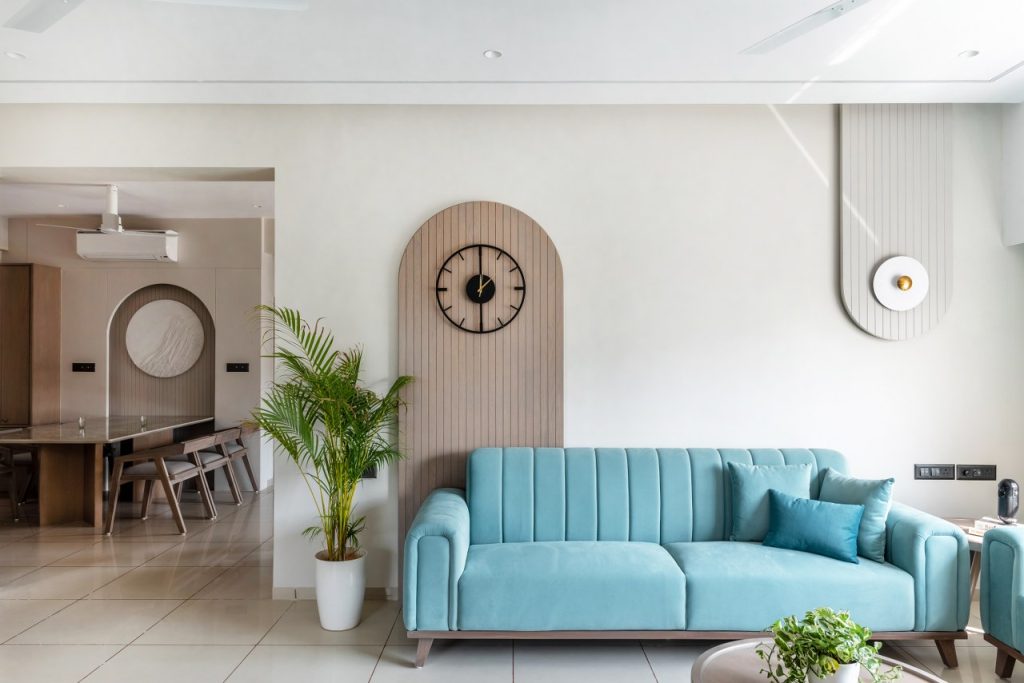
- Neutral Color Palettes: Adopt a soft, neutral color scheme to evoke tranquility and cohesion throughout your space. Colors like whites, grays, and soft earth tones can make a space feel larger and more serene.
Through these design principles, we can enhance both the functionality and the aesthetic appeal of our environments, allowing us to live more comfortably with less.
Emotional Resilience: Strengthening Connections and Well-Being
Interestingly, the journey towards minimalism can also bolster our emotional resilience. A clearer environment often leads to clearer thoughts, which in turn helps us build stronger connections with others. By minimizing distractions and making room for quality interactions, individuals can revisit relationships that may have been sidelined by disorganization or chaos. This emotional clarity can foster deeper bonds with family and friends, leading to a more satisfying social life.
Ultimately, embracing the art of living with less is more than a trend; it is a philosophy that can transform how we interact with ourselves and the world around us. As we delve deeper into practical strategies and insights from those who have chosen this path, we will discover how simplicity offers us not just peace in our physical spaces but also a profound sense of joy and fulfillment in our everyday lives.
The Benefits of Embracing Simplicity
In a world increasingly filled with distractions and clutter, the philosophy of minimalism offers a refreshing return to simplicity. Embracing this lifestyle not only alters our physical spaces but profoundly impacts our mental well-being. The transformative power of simplicity can lead to a more present and mindful existence.
| Advantages | Details |
|---|---|
| Increased Focus | By stripping away excess, you enhance clarity, allowing your mind to concentrate on what truly matters. |
| Improved Well-being | Living with less can reduce stress and anxiety, promoting a calm and balanced state of mind. |
The benefits of a minimalist approach extend beyond mere aesthetics. For instance, creating a clean and simplified home environment can reduce overwhelm and foster a sense of peace. Furthermore, as the essence of simplicity encourages intentionality in our choices, people often find they connect deeper with their values and passions. As you declutter your surroundings, you’re also making room in your life for experiences and intentions that bring true joy and fulfillment. The less you own, the more freedom you gain—freedom to pursue your interests, spend quality time with loved ones, and practice mindfulness. Discovering the heart of simplicity can lead to an enriched life where focus and fulfillment are prioritized over consumerism and chaos.
DIVE DEEPER: Click here to learn more about conscious consumption
Transforming Routines: The Power of Intentional Living
The journey of minimalism extends far beyond physical possessions; it seeps into our daily routines and habits, fostering a state of intentional living. By streamlining our schedules and eliminating unnecessary commitments, we can direct our energy towards pursuits that truly resonate with our values and passions. This transformative process not only liberates time but also enhances our overall quality of life.
Cultivating Mindful Routines
Adopting a minimalist lifestyle encourages us to reevaluate our daily obligations and streamline our routines. Consider this: how much of your day is consumed by activities that do not align with your personal goals or values? By embracing mindful routines, we can enhance productivity and reduce feelings of overwhelm. Here are some techniques:
- Set Clear Priorities: Identify the most important tasks that contribute to your goals each week. This practice ensures that you focus on what truly matters rather than getting lost in the minutia of daily life.
- Declutter Digital Spaces: Just as we clear physical clutter, it is essential to minimize our digital footprint. Organizing files, unsubscribing from unnecessary emails, and reducing screen time are vital steps toward a simpler, more fulfilling digital life.
- Practice Scheduled Downtime: Integrating periods of rest and reflection into your routine can enhance mental clarity. Allocating time to disconnect from electronics and immerse yourself in nature or quiet activities can invigorate creativity and emotional stability.
These mindful practices enable us to cultivate deeper connections with ourselves and others, bringing us closer to the essence of living intentionally.
Minimalism and Sustainability: A Harmonious Relationship
The quest for a simpler life often intersects with the principles of sustainability. By minimizing our consumption, we naturally reduce our environmental footprint. In a society grappling with climate change and resource depletion, adopting a minimalist approach not only fosters personal growth but also contributes to the greater good. Here are ways in which these two ideologies intertwine:
- Quality Over Quantity: Investing in high-quality, sustainable products promotes longevity and reduces waste. This philosophy aligns well with minimalism, emphasizing fewer purchases of better-made items.
- Mindful Disposal: When it comes time to part with possessions, consider donating, recycling, or upcycling as alternatives to simply discarding items. This practice not only minimizes waste but also contributes to a circular economy.
- Creating a Minimalist Wardrobe: Building a capsule wardrobe can significantly reduce decision fatigue and foster creativity in personal style while promoting the use of ethically made garments.
The synergy between minimalism and sustainability supports a lifestyle that is not only simpler but also environmentally conscious, paving the way for a healthier planet.
The Psychological Impacts of Minimalism
Research indicates that living with less significantly impacts mental health and overall happiness. A minimalist lifestyle is often associated with lower stress levels, improved focus, and greater satisfaction with one’s circumstances. One notable study published in the journal Environment and Behavior highlights that individuals who declutter their living spaces report enhanced emotional well-being and clarity of thought.
Moreover, embracing minimalism allows the mind to function with greater ease. As we clear the physical chaos that surrounds us, we create room for new ideas and creativity to flourish. This mental freedom often leads to outward expression—be it through art, writing, or interpersonal relationships—further enriching our daily experiences.
Ultimately, the practice of living with less nurtures both our mental and emotional landscapes, fostering resilience, creativity, and an abiding sense of contentment in the fast-paced world we navigate today.
DISCOVER MORE: Click here to enhance your time management skills
Conclusion: Embracing the Essence of Simplicity
As we navigate through the complexities of modern life, the art of living with less offers a refreshing perspective on how simplicity can profoundly transform our spaces and minds. By adopting minimalism, we challenge the prevailing notions of consumerism and excess, replacing them with a focus on quality, intention, and mindfulness. This journey encourages us to declutter not just our physical environments but also our mental landscapes, paving the way for greater clarity and emotional well-being.
The integration of minimalism into our daily routines fosters a sense of purpose, guiding us to prioritize what genuinely matters. Techniques like setting clear priorities, practicing mindful consumption, and embracing sustainability allow us to engage in a lifestyle that not only enhances personal growth but also contributes positively to our planet. As we declutter our lives, we unveil the possibility of deeper connections—both with ourselves and with others—and discover a heightened sense of contentment that transcends material possessions.
In conclusion, embracing simplicity is more than a trend; it is a powerful movement toward a more meaningful existence. The art of living with less invites us to cultivate intentionality, enhance our mental resilience, and create spaces that truly reflect our values. As we journey toward simplicity, let us remember that true abundance lies not in having more, but in cherishing what we already own and in the freedom that comes from living with less.