Minimalist Designs Role in Optimizing Home Workspace Efficiency

Understanding the Impact of Minimalist Design
In a world increasingly filled with distractions and clutter, embracing minimalism can redefine our living and working environments. This design philosophy, centered around simplicity and functionality, not only enhances aesthetics but also promotes efficiency and focus. By stripping away unnecessary elements, minimalist design transforms spaces into serene havens conducive to both relaxation and productivity.
Relevance in Personal Organization
The significance of minimalist design extends beyond mere appearance; it plays a crucial role in personal organization. Clear surfaces and intentional layouts help individuals prioritize what truly matters, leading to improved mental clarity and reduced stress levels. As we explore how minimalist designs optimize spaces, we will also uncover their profound influence on our daily routines and overall well-being.
What to Expect
This article will delve into the top factors associated with minimalist design in homes and workplaces. Stay tuned as we countdown the Top 5 principles that can transform your environment into a sanctuary of efficiency and calm. Each principle will highlight practical applications and inspiring ideas that you can immediately implement.
Top 5: The Role of Minimalist Design in Optimizing Space at Home and Work
In today’s fast-paced world, where we’re constantly bombarded with information and clutter, both physically and mentally, minimalist design principles offer a breath of fresh air. By concentrating on simplicity and necessity, minimalist designs can help reclaim and maximize our spaces. Whether at home or work, these principles not only enhance ambiance and visual appeal but also boost functionality. This article delves into the top five ways minimalist design can optimize environments, positively impacting both personal and professional settings.
5. Enhancing Functionality with Simple Design
At its core, minimalist design prioritizes functionality, ensuring that everything in a space serves a practical purpose. By eliminating superfluous details and focusing on essentials, each element becomes more pronounced and effective. For instance, imagine a well-crafted sofa that elegantly transforms into a bed. Such multifunctional furniture saves space while catering to diverse needs, seamlessly blending into home or office setups.
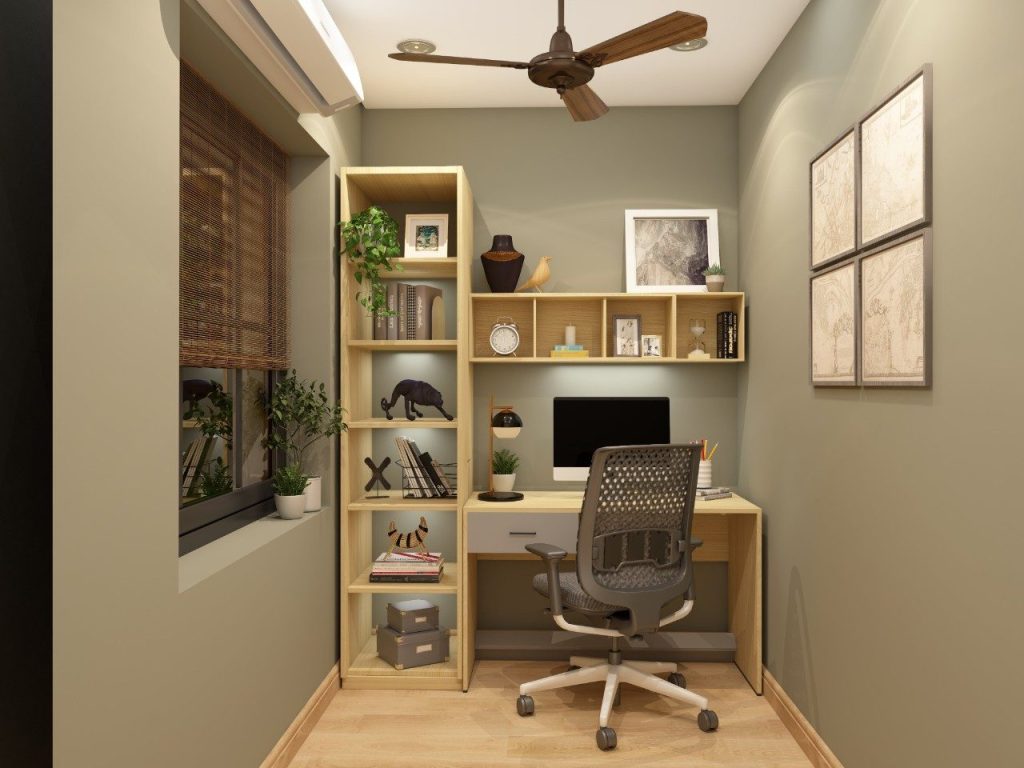
Breaking down the aspects of minimalist functionality, consider:
- Streamlined furniture: Minimalist furniture is tailored for comfort and utility, eschewing unnecessary ornamentation. Think pieces that complement the space rather than overwhelm it.
- Clear pathways: By minimizing furniture, spaces become easier to navigate, promoting smooth movement and accessibility.
- Smart storage: With clever built-in storage solutions, minimalist design helps declutter and create open, breathable areas, enhancing usability and aesthetics.
Ultimately, enhancing functionality through minimalist principles allows both residences and offices to make optimal use of available space, increasing efficiency and utility.
4. Creating Visual Harmony
Minimalism thrives on creating spaces that evoke a sense of order and tranquility. One standout feature is its ability to evoke visual harmony. By employing a limited color palette—often soft and neutral—rooms are transformed into tranquil havens. This controlled environment is particularly beneficial in work settings, where peace is synonymous with productivity.
Key elements contributing to visual harmony include:
- Consistent color schemes: Soft tones create an illusion of expansiveness, inviting light and making spaces seem larger than they are.
- Simplified decor: With minimal art and decor, spaces steer clear of chaos and distraction. Well-chosen pieces become focal points rather than background noise.
- Balanced proportions: By ensuring decor and furniture align proportionally with the space, designers craft environments that are aesthetically pleasing and comfortable.
A harmonious environment doesn’t just look good; it positively impacts mood, encouraging relaxation and well-being. In such spaces, stress diminishes, and creativity flourishes.
3. Encouraging Mindfulness and Focus
A hallmark of minimalist spaces is their ability to foster mindfulness and focus. By minimizing distractions and “visual noise,” minimalist environments make it easier for individuals to concentrate. This is especially advantageous in workspaces, where distractions can drastically reduce efficiency and output.
Here’s how minimalist principles encourage focus:
- Reduced distractions: With less clutter, the mind isn’t pulled in different directions, leading to deeper and more sustained focus.
- Mindful organization: Every item has a designated place. This organizational approach not only makes spaces orderly but also reduces daily friction—no more time wasted searching for essentials.
- Inviting relaxation: Minimalist designs often integrate serene spots for contemplation or breaks. These spaces are essential for mental rejuvenation and reflection, especially in high-stress environments.
In essence, by cultivating a space that prioritizes simplicity, one can maximize mental clarity and work more efficiently and effectively.
2. Enhancing Sustainability
Minimalist design naturally aligns with sustainable living. By curbing excess consumption and upholding the mantra of quality over quantity, it offers individuals and corporations pathways to more sustainable spaces. Selecting fewer, high-quality items reduces the frequency of replacements, thereby assisting in waste reduction and resource conservation.
Here’s how minimalist design champions sustainability:
- Durable materials: Prioritizing high-quality and sustainable materials ensures products that withstand the test of time, reducing the cycle of disposal and replacement.
- Fewer resources: Adopting a minimalist approach results in fewer pieces, which means reduced demand on manufacturing and logistics infrastructures.
- Conscious consumption: The emphasis on necessity over impulse shopping promotes responsible purchasing, lending a hand in driving eco-friendly behavioral shifts.
Thus, embracing minimalist design is not just about aesthetics; it’s an impactful way to participate in a lifestyle that’s sustainable and responsible.
1. Fostering Flexibility and Adaptability
Crowning the list is the minimalist design’s unparalleled capacity to enhance flexibility and adaptability. In both home and work contexts, minimalist spaces offer versatility, supporting rapid adaptation to ever-evolving needs. By incorporating transformable designs and multipurpose areas, minimalism transforms rooms, if need be, into dynamic multifunctional zones.
The advantages of such adaptability in minimalist designs can be seen through:
- Multipurpose spaces: Spaces that serve dual or even triple functions optimize utility. A living room that can seamlessly become a guest room, or a home office doubling as a chill-out zone, ensures maximum usability.
- Reconfigurable designs: Furniture and decor that can be easily altered or rearranged cater to both immediate needs and future aspirations.
- Universal appeal: With the minimalist approach’s innate adaptability, spaces remain relevant, stylish, and functional regardless of shifting design trends or personal requirements.
Therefore, minimalist design’s adaptability ensures spaces can evolve, reflecting personal growth, changing needs, or new challenges, presenting opportunities in creativity and innovation.
In conclusion, embracing minimalist design transcends mere aesthetic appeal. It is an enriching tool that reshapes our living and working spaces, fostering productivity, sustainability, mindfulness, and flexibility. The future of design seems well-charted by the principles of minimalism—a future defined by functionality, adaptability, and harmony.
| Category | Description |
|---|---|
| Functionality | Minimalist design optimizes space by emphasizing functionality over unnecessary embellishments, ensuring that every element serves a purpose. |
| Visual Clarity | The use of fewer elements leads to less visual clutter, which helps the mind focus better and provides a serene environment, both at home and work. |
| Improved Workflow | In workspaces, minimalism facilitates efficient workflows by reducing distractions and enhancing the ease of access to essential tools. |
| Sustainability | Minimalist design promotes sustainability by encouraging the use of fewer resources, leading to a smaller ecological footprint. |
The significance of minimalist design extends well beyond aesthetics; it transforms how we engage with our environments. Each of the categories outlined in the table highlights a critical aspect wherein minimalist design intersects with functionality and efficiency. By emphasizing functionality, minimalist design encourages us to evaluate our possessions critically, leading to an intentional selection of items that genuinely influence our daily lives. This approach fosters an environment that enhances productivity and encourages a more organized lifestyle.Moreover, the essence of visual clarity cannot be overstated. In a world filled with distractions, minimalist spaces provide a breath of fresh air, allowing for mental clarity and focused tasks. The elimination of excess elements cultivates calmness, making spaces more pleasant and mentally manageable.Considering improved workflow, environments that embrace minimalism often reflect higher productivity levels. Organizing workspaces with minimalistic principles can lead to faster completion of tasks, as everything required is readily accessible without the hindrances posed by clutter.Lastly, the growing emphasis on sustainability resonates powerfully with minimalist design. The principle of less is more can significantly reduce resource consumption, prompting a shift towards a more conscious lifestyle that values quality over quantity. The adoption of minimalist practices not only benefits personal and professional spaces but can also contribute positively to environmental well-being, making it a crucial aspect of modern design considerations. This exploration of the minimalist design’s role demonstrates that its impact is profound and multifaceted, encouraging us to rethink our approach to the spaces we inhabit.
Frequently Asked Questions About Minimalist Design in Space Optimization
What is minimalist design, and how does it help in optimizing spaces?
Minimalist design is about stripping down elements to their essential forms. This approach focuses on simplicity and functionality, eliminating clutter and maximizing space usage. By utilizing minimalist design principles, you can create environments that not only appear more spacious but also promote a sense of calm and focus, essential for both home and work settings.
How can minimalist design improve productivity in a work environment?
In a workspace, clutter and distractions can often hinder productivity. Minimalist design reduces these by focusing on clean lines, open spaces, and purposeful furniture. This helps create an environment that supports concentration and efficiency. Studies have suggested that streamlined workspaces reduce stress and enhance performance, making minimalist design a beneficial choice for professional settings.
Can a minimalist design include personal touches or does it have to be completely austere?
While minimalist design emphasizes simplicity, it doesn’t have to be devoid of personality. You can incorporate personal touches through carefully selected artwork, photos, or decor that resonate with you. The key is to ensure these elements are cohesive with the overall minimal aesthetic, maintaining a balance between personalization and simplicity.
Are there specific types of furniture that are essential for a minimalist space?
Minimalist furniture is typically characterized by its functional nature and understated elegance. Look for pieces that offer multiple functions, such as storage solutions within seating options or desks with built-in organizers. The emphasis should be on high-quality materials and craftsmanship that stand the test of time, both in durability and style.
What are the first steps to transform a cluttered space into a minimalist one?
The initial step is to declutter and assess your existing space. Identify items that are essential or bring joy, and remove unnecessary objects. Consider the purpose of the room, then gradually integrate minimalist design elements by choosing a neutral color palette, optimizing natural light, and selecting simple yet functional furniture. This gradual transition sets a solid foundation for embracing minimalism in your environment.
Conclusion
In essence, embracing a minimalist design approach can significantly transform both personal and professional environments, enhancing functionality and promoting mental clarity. The strategies highlighted in the article demonstrate how minimalism can streamline spaces by reducing clutter and focusing on purposeful elements. This approach not only creates a more aesthetically pleasing environment but also optimizes the use of space, ultimately leading to improved productivity and well-being.
The adoption of a minimalist design philosophy involves a deliberate and thoughtful process of identifying essential items and removing the unnecessary. This conscious curation serves not only to declutter living or working spaces but also to foster a mindset of intentional living. By prioritizing simplicity, individuals can focus more on their tasks and find greater satisfaction in their surroundings. Furthermore, minimalism challenges conventional norms by advocating for quality over quantity, urging individuals to invest in fewer, but more meaningful possessions.
Ultimately, the role of minimalist design extends beyond mere aesthetics; it is a holistic approach that combines practicality with mindfulness, offering a path to improved organization and harmony in our daily lives. By implementing these principles, one can create environments that support personal and professional growth. The growing interest in minimalism reflects a broader cultural shift towards sustainability and intentional living, inviting individuals to explore how order and simplicity can enrich their spaces and foster a sense of tranquility and focus. Embracing minimalism not only reshapes our physical spaces but also enhances our overall life experience, underscoring the profound impact of a well-considered environment.