Create Functional Spaces Minimalist Organization Tips for a Calmer Home
Introduction
In today’s fast-paced world, the desire for a calmer and more organized home is more relevant than ever. Embracing minimalism allows individuals to cut through the chaos, creating spaces that not only breathe serenity but also enhance functionality. This approach to personal organization emphasizes the importance of a clutter-free environment, promoting mental clarity and peace.
Minimalism is not just about having fewer possessions; it’s about making intentional choices regarding what we keep in our living spaces. By adopting minimalist principles, one can transform even the smallest areas into functional and inviting rooms. This article will guide you through a selection of minimalist organization tips that will fundamentally change how you view and use your space.
What to Expect
- Understand the core principles of minimalism.
- Explore practical tips for decluttering and organizing.
- Learn how to create functional spaces that reflect your lifestyle.
- Discover the psychological benefits of an organized home.
- Get ready for the Top 5 tips that can revolutionize your space.
Prepare to embark on a journey toward a more peaceful home, where every item serves a purpose and contributes to a sense of calmness.
Creating Functional Spaces: Minimalist Organization Tips for a Calmer Home
The idea of minimalism often evokes images of stark, empty rooms and a life devoid of flair. However, it is not merely a design trend but a lifestyle philosophy rooted in clarity and simplicity. By adopting minimalist principles, you can cultivate a home environment that is both soothing and purposeful. This article delves into the transformative power of minimalism, providing you with the top 5 strategies for organizing your home. The list progresses from simple adjustments to profound reimaginings of space, guiding you toward achieving a serene, functional dwelling.
5. Use Multi-Functional Furniture
Furniture in a minimalist home is not merely decorative; it is designed with intention and practicality in mind. A crucial step in embracing minimalism is incorporating multi-functional furniture to maximize space efficiency and utility. Let’s explore some options that can subtly transform your living areas:
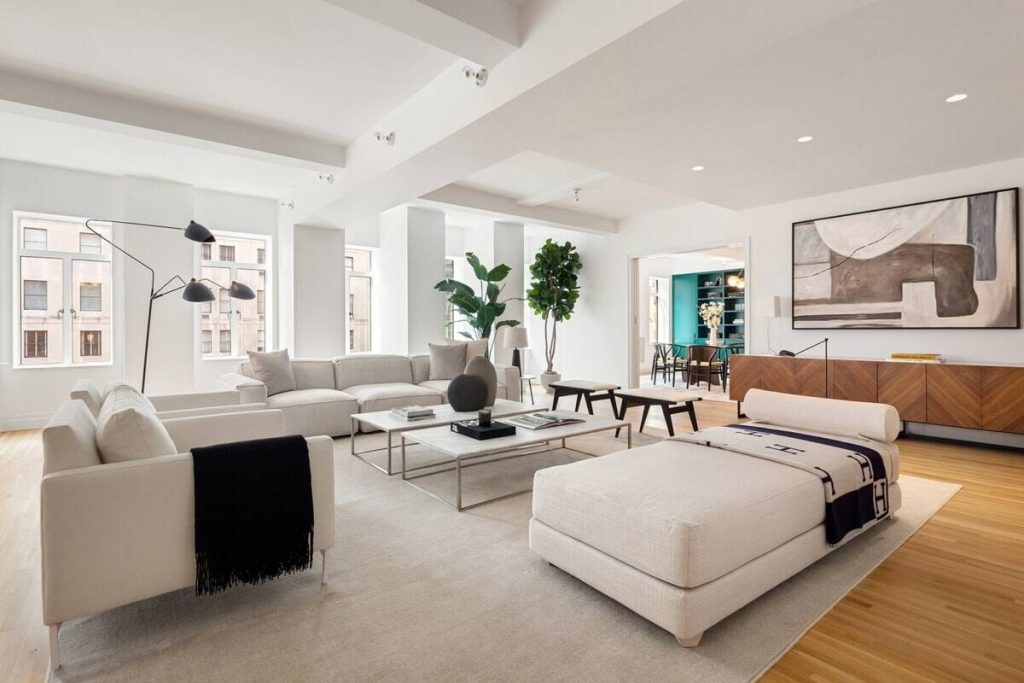
- Ottomans with storage: These versatile pieces not only provide extra seating but also hide anything from winter blankets to the kids’ playthings, maintaining a tidy appearance.
- Sofa beds: With urban living spaces shrinking, a sofa bed offers comfort for everyday lounging while doubling as a guest bed during overnight stays, eliminating the need for a separate guest room.
- Coffee tables with drawers: Stash away unsightly remotes, coasters, or even unfinished knitting projects, clearing your tabletops for a more organized space.
By choosing furniture that efficiently serves multiple functions, you systematically reduce clutter, opening up your space both physically and visually, contributing to a more peaceful home environment.
4. Embrace Minimal Décor
The art of decorating minimally requires a delicate balance between aesthetics and restraint. It involves a mindful selection of items that not only fit within a minimalist ethos but also resonate personally. Here’s how you can refine your minimal décor:
- Limit decorative items: Select pieces with sentimental value or those that invoke positive thoughts. Think of a cherished family photo or a unique art piece that sparks dialogue.
- Use neutral color palettes: Soft whites, calm greys, and earthy tones establish a serene backdrop, allowing your mind to rest and creativity to flow.
- Incorporate natural elements: Introducing elements like potted plants or wooden textures can imbue warmth and life into your space, simultaneously rejuvenating the air quality.
Adopting a minimalist décor doesn’t mean stripping away personality but rather consciously curating your surroundings to promote tranquility and ease.
3. Organize by Functionality
A home designed around utility encourages efficiency and reduces daily stressors. Think of your space as a series of functional zones, each dedicated to different activities. Here’s how to logically partition your home for optimal use:
- Work zone: Create a small office nook with all your necessary gadgets and supplies within arm’s reach, fostering concentration and productivity.
- Relaxation zone: Consider a cozy corner with a comfortable chair and soft lighting for activities like reading or meditating, providing a much-needed retreat from the day’s noise.
- Cleaning zone: A tidily arranged cleaning supply area ensures efficient upkeep, promoting regular tidying habits, which quickly become second nature.
These zones create a seamless flow, aiding in smoother transitions between activities, and endorsing a mindful approach to everyday living.
2. Simplify Your Storage Solutions
The essence of minimalism hinges largely on efficient storage solutions, aiming to foster a clean and orderly home. When organizing your storage, focus on practicality and ease of access. Consider these simplified storage methodologies:
- Transparent bins: These allow you to see contents at a glance, minimizing the time spent searching and maximizing organization.
- Floating shelves: Utilize available vertical space, displaying items you love or frequently use, preventing clutter from accumulating on surfaces.
- Categorize items: Sort and store similar items together. This not only streamlines usage but makes it easier to identify unnecessary duplicates.
Effective storage doesn’t just conceal clutter; it adopts a system that emphasizes functionality and ease, encouraging a minimalist way of life free from excess.
1. Declutter Regularly
At the heart of minimalist living is regular decluttering, a practice that ensures your home remains a sanctuary, free from unnecessary possessions. Here are strategies to help maintain a clutter-free living space:
- Set a schedule: Allocate time each month or season to evaluate your belongings, removing anything that no longer serves a purpose.
- One in, one out policy: To balance new acquisitions, commit to removing an item for every new purchase, incentivizing mindful consumption.
- Mindful purchasing: Question each purchase’s contribution to your life before bringing it home. This practice can drastically reduce impulse buys.
Regular decluttering not only revitalizes your environment but also offers insights into your habits, promoting personal growth and a sustainable approach to living. By releasing the burden of excess, you invite simplicity and clarity, allowing your home to become a nurturing haven.
Implementing these minimalist organization techniques can transform your home into a calm and functional retreat. With deliberate steps, prioritization, and a commitment to simplicity, your space can evolve into a tranquil oasis that fosters peace and mindfulness, resonating with the core tenets of minimalist living.
| Category | Details |
|---|---|
| Smart Furniture Choices | Selecting furniture that serves multiple functions can maximize space. For instance, consider a sofa bed for guests or a coffee table with storage underneath. Versatility in furniture not only enhances aesthetics but also encourages organized living. |
| Minimalist Aesthetics | The minimalist design principle emphasizes clean lines and a limited color palette, creating a sense of calm. Reducing visual clutter allows the mind to relax, encouraging a more harmonious living space. |
| Effective Storage Solutions | Incorporating hidden storage options, such as built-in shelves or under-bed bins, can make a significant difference. Strategic storage helps maintain a clutter-free environment, enabling easier access to essential items while preserving the serenity of your space. |
| Decluttering Strategies | Employing methods like the one in, one out rule encourages mindfulness about what you bring into your home. Regularly assessing possessions helps prevent accumulation and supports a tranquil ambiance that minimalist living strives for. |
The thematic concept of creating functional spaces paves the way for practical living through the lens of minimalism. By applying the principles highlighted in these categories, individuals can foster an environment that not only reduces stress but also enhances overall productivity and contentment in their lives. Each element combines to support a vision of calmness amidst the chaos, inviting exploration and consideration of how our surroundings can contribute to personal wellness and peace.
Frequently Asked Questions about Minimalist Home Organization
What is the first step to creating a minimalist and functional space in my home?
Starting the journey towards a minimalist home can seem daunting, but the key is to simplify. Begin by evaluating each room and identifying items that you truly need and use regularly. It’s important to tackle one room at a time to avoid becoming overwhelmed. The process often starts with decluttering, where you sort belongings into categories: keep, donate, or discard. This not only clears physical space but also uplifts the mental environment, paving the way for more organized living.
How can I maintain organization after initially decluttering my home?
Maintaining a minimalistic environment requires ongoing effort. Establishing daily habits can ensure your home remains clutter-free. You might consider adopting the ‘one in, one out’ rule, which means bringing in a new item only when you remove an existing one. Regular audits of your belongings, perhaps on a monthly or seasonal basis, can help in reassessing the necessity and functionality of the items you own. Integrated into your lifestyle, these practices keep your space orderly and give you a sense of tranquility.
Are there any specific furniture or storage solutions recommended for a minimalist setup?
While embracing minimalism, the furniture and storage choices you make can greatly influence the functionality of your home. Opt for multi-purpose furniture, such as beds with built-in storage or coffee tables that double as desks. Modular furniture systems are also versatile and can be reconfigured as your needs change over time. For storage, wall-mounted solutions and hidden compartments help in maintaining a clean visual without sacrificing utility. Choosing the right pieces is crucial to support the minimalistic aesthetic and create more space for movement and ease.
What are the psychological benefits of a minimalist lifestyle at home?
Several studies suggest that a minimalist home can contribute significantly to mental well-being. The reduction of clutter has been shown to decrease stress levels, making room for a more calm and focused mindset. A visually clean and organized environment reduces distractions, allowing for clearer thinking and improved productivity. Furthermore, it can enhance your overall sense of joy and contentment, as the space reflects your intentional choices and reduces the noise from the external world.
How does minimalist organization impact sustainability?
Minimalism inherently promotes environmental sustainability. By prioritizing quality over quantity, purchasing decisions tend to favor durable and ethically manufactured products, leading to less waste. Reducing consumption and decluttering responsibly—through recycling or donating items—minimizes landfill contributions. This thoughtful approach to living not only benefits personal well-being but also plays a part in creating a more sustainable planet, encouraging others to think critically about their consumption habits.
Conclusion
Creating functional spaces through minimalist organization practices is a transformative journey that fosters not only a calmer home but also a more serene state of mind. As we’ve navigated the core strategies for achieving this tranquil environment, certain insights stand out for their simplicity and profound impact.
Firstly, the practice of decluttering is foundational. By removing unnecessary items, we create physical and mental space, allowing for a clearer focus on what truly matters. Adopting a “less is more” philosophy can free us from the constraints of material excess, empowering us to appreciate the items that bring genuine value to our lives.
Secondly, organizing with purpose enables us to design spaces that serve our daily routines effortlessly. Implementing structured storage solutions not only enhances functionality but also contributes significantly to a home’s aesthetic appeal. Every item having a dedicated place eradicates chaos and promotes a more peaceful atmosphere.
The Importance of Mindful Design
Thoughtful curation and mindful design go hand in hand with minimalist principals. By deliberately choosing elements that resonate with personal style and utility, we end up with environments that reflect true personal identity. This careful selection process also ensures sustainability and reduces waste, aligning with the broader values of mindful living.
Finally, embracing minimalism is an ongoing journey rather than a one-time project. The habits cultivated through this lifestyle encourage ongoing evaluation and adaptation, allowing your living space to evolve alongside personal growth.
These principles of minimalist organization can therefore lead to profound life changes. As homes become sanctuaries of calm, they inherently enhance our quality of life. By embracing minimalism with intentionality and consistent practice, one can truly experience the tranquility and efficiency that a well-organized space offers.
In conclusion, the art of creating functional spaces is a rewarding endeavor, inviting individuals to explore further into a minimalist lifestyle. Embark on this journey to discover the possibilities of living in a serene, clutter-free abode that truly nourishes your spirit.